Why Social Life Matters
We are not islands. Humans are wired for connection — real, everyday, meaningful connection. In every long‑living community, people don’t just live near each other… they live with each other. Their lives are intertwined. They laugh together, cook together, show up for each other. They belong.
Social life isn’t a luxury. It’s a pillar of health, happiness, and longevity.
What the Blue Zones Teach Us About Connection
Across the Blue Zones, social life is woven into the rhythm of daily living — not as an activity, but as a way of being.
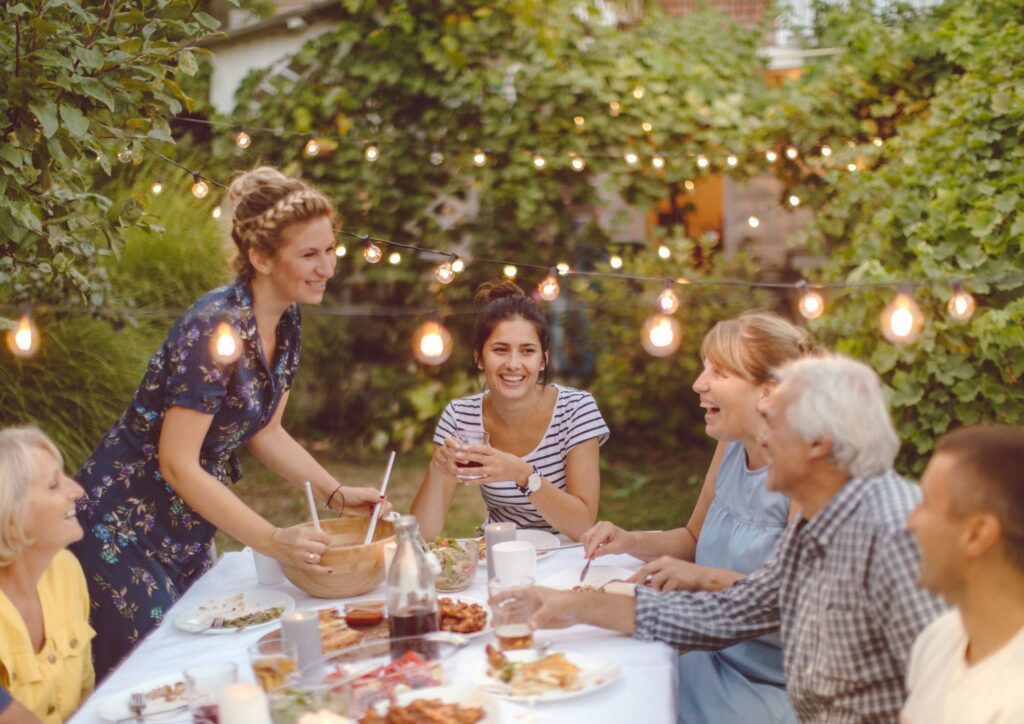
- Ikaria — Neighbours drop in unannounced, share long meals, and stay for hours. Daily life spills into each other’s homes. People gather for coffee, music, and conversation without planning. Connection is spontaneous, natural, and constant.
- Sardinia — Men meet every afternoon for wine, laughter, and storytelling. Women gather in courtyards and kitchens. Generations mix freely. Social circles are stable, lifelong, and deeply protective — a buffer against stress and loneliness.
- Okinawa — People belong to a moai, a small group that supports each member emotionally, socially, and even financially. These circles last a lifetime. They celebrate together, grieve together, and show up for each other in every season of life.
- Loma Linda — Community is built through shared values, shared meals, and shared purpose. People gather weekly, volunteer together, and maintain strong intergenerational bonds. Belonging is structured, intentional, and deeply meaningful.
- Nicoya, Costa Rica — Families live close, neighbours support one another, and elders remain fully integrated in community life. Social connection is seen as a responsibility, not an afterthought. People check in on each other daily, creating a strong sense of safety and belonging.
These communities don’t treat social life as optional. It’s part of their health system — invisible, effortless, and protective.
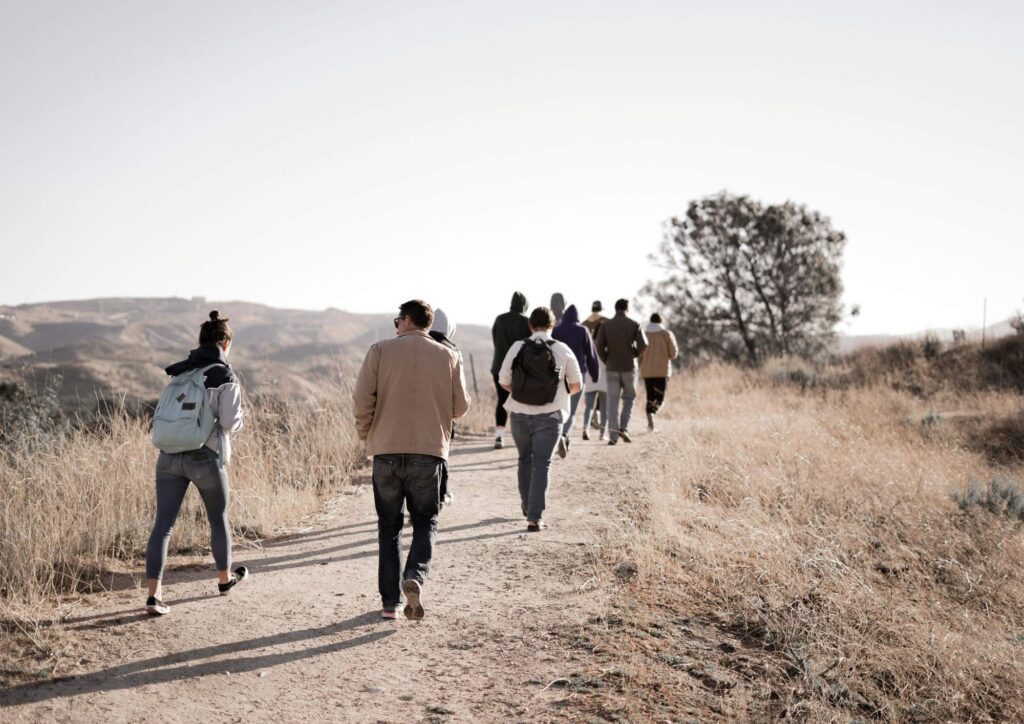
Modern Longevity vs. Modern Isolation
We’re living in a time where everyone wants to live longer — supplements, fitness trackers, biohacking, superfoods — yet we’re quietly losing one of the most powerful longevity tools: each other.
Modern life makes isolation easy:
- remote work
- online shopping
- digital communication
- living far from family
- moving countries for opportunity
- fewer shared rituals
- fewer shared spaces
We talk endlessly about heart health, gut health, sleep cycles, and inflammation… but we rarely talk about loneliness.
And yet loneliness affects all of those things.
How can we live longer if our mental health is declining? How can we thrive if we’re isolated? How can we be well if we’re disconnected from the people who make life meaningful?
The Blue Zones show us that social connection isn’t a “nice to have.” It’s a biological need — one that regulates stress, lowers inflammation, improves immunity, and strengthens resilience.
Humans need humans.
What I Learned Working in a Retirement Village
Before becoming a mum, I worked in a retirement village. Many older adults moved there because they were becoming isolated — living alone, losing friends, or feeling disconnected from daily life.
In the village, everything changed:
- they had programs
- they had shared spaces
- they had people their own age
- they had opportunities to make friends again
And you could see the difference. Their mood lifted. Their energy changed. Their health improved. Not because of medicine — but because of community.
It was one of the clearest examples of the Blue Zone principle I’ve ever seen.
Moving Abroad: Rebuilding Connection From Scratch
When I moved abroad, I didn’t fully understand that I was leaving behind more than a place — I was leaving behind a social ecosystem.
A network of people who:
- understood my humour
- shared my cultural references
- knew my family
- knew my history
- understood my silences
Rebuilding that in a new country is incredibly hard. Not impossible — but slow, intentional, and sometimes lonely.
This isn’t about comparing countries. It’s about recognising how deeply humans need each other.
Chosen Family Matters
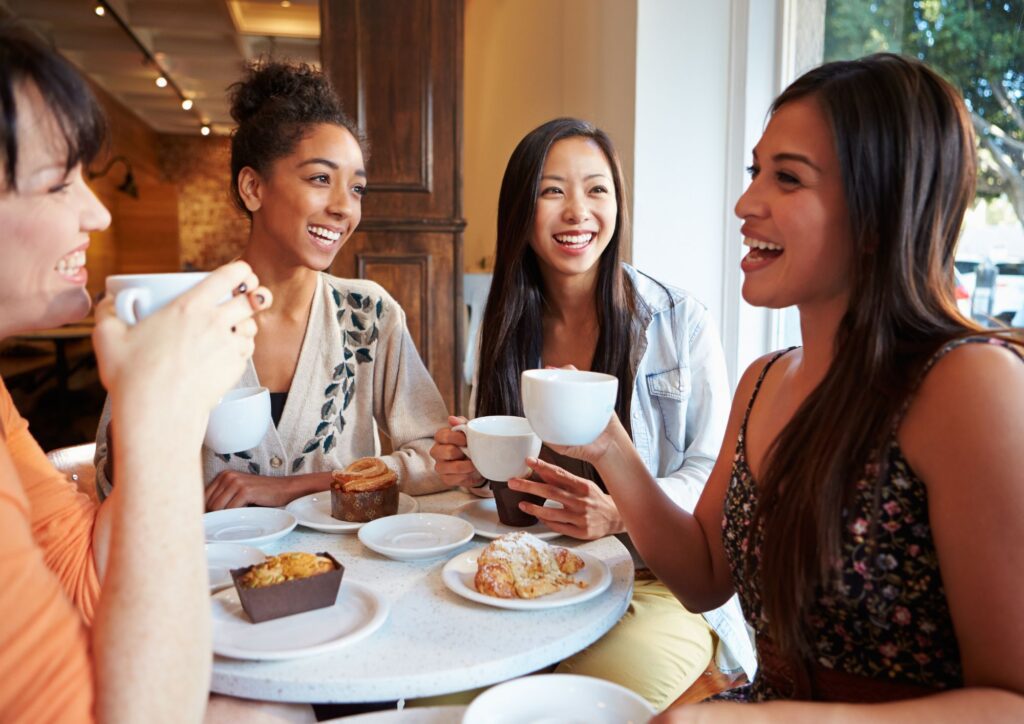
Not everyone has a healthy family dynamic. For some people, being close to family doesn’t improve wellbeing — it does the opposite. And that’s a reality we need to acknowledge with compassion.
This is where the Blue Zones offer a beautiful lesson: family doesn’t have to be biological.
In Okinawa, a moai is a chosen family. In Ikaria, neighbours act like siblings. In Costa Rica, community networks support people through every stage of life. In Loma Linda, shared values create deep bonds that feel like family.
Belonging doesn’t have to come from blood. It can come from shared values, shared humour, shared life.
Chosen family is just as powerful — sometimes more.
Mental Health and Physical Health Go Together
The Blue Zones remind us that physical health and mental health are inseparable.
When our social life declines, our mental health can decline. And when our mental health declines, it often shows up in our body:
- tension
- fatigue
- stress
- inflammation
- illness
Humans need humans. Connection is medicine.
A Quiet Moment of Connection

There are days when I don’t have time to meet anyone, and I don’t need to go to the office — but I still feel that pull for connection.
On those days, I take Veeru to a local bakery or sit in a library for half an hour. I don’t talk to anyone. I don’t need to. Just being around people reminds me that I’m part of something bigger than my own little bubble.
And it always shifts my mood.
Practical Ways to Nurture Social Life (Blue Zone‑Inspired)
- Join a small circle — not a huge group, just 3–5 people you see regularly.
- Create micro‑rituals — weekly coffee, a walk, a shared hobby.
- Show up consistently — even when you’re tired. Consistency builds belonging.
- Lean into tiny interactions — bakery, library, playground, local shop.
- Find value‑aligned spaces — mums’ groups, cultural events, folk nights, Blue Zone‑style gatherings.
- Let people in slowly — connection doesn’t need to be instant to be meaningful.
- Laugh more — it’s one of the simplest ways to bond and regulate stress.
The Heart of It All
Social life isn’t just about having friends. It’s about belonging. It’s about being seen. It’s about sharing life — the joys, the frustrations, the tiny moments that make us human.
Connection gives shape to our days. It reminds us that we matter, that we’re part of something bigger than our own thoughts, routines, and responsibilities. When we sit with someone, laugh with someone, or simply exist alongside someone, our nervous system relaxes. Our stress softens. Our body feels safer.
And that safety is health.
The Blue Zones show us that people don’t live long because they chase longevity — they live long because they live together. They weave themselves into the fabric of their community. They show up for each other. They share meals, stories, burdens, and celebrations. They don’t carry life alone.
Modern life often asks us to be self‑sufficient, independent, productive. But humans were never designed to thrive in isolation. We’re meant to lean, to listen, to laugh, to gather, to belong.
Social connection is one of the most powerful things we can do for our health, our happiness, and our longevity — not because it’s a habit, but because it’s part of being human.
Closing Reflection
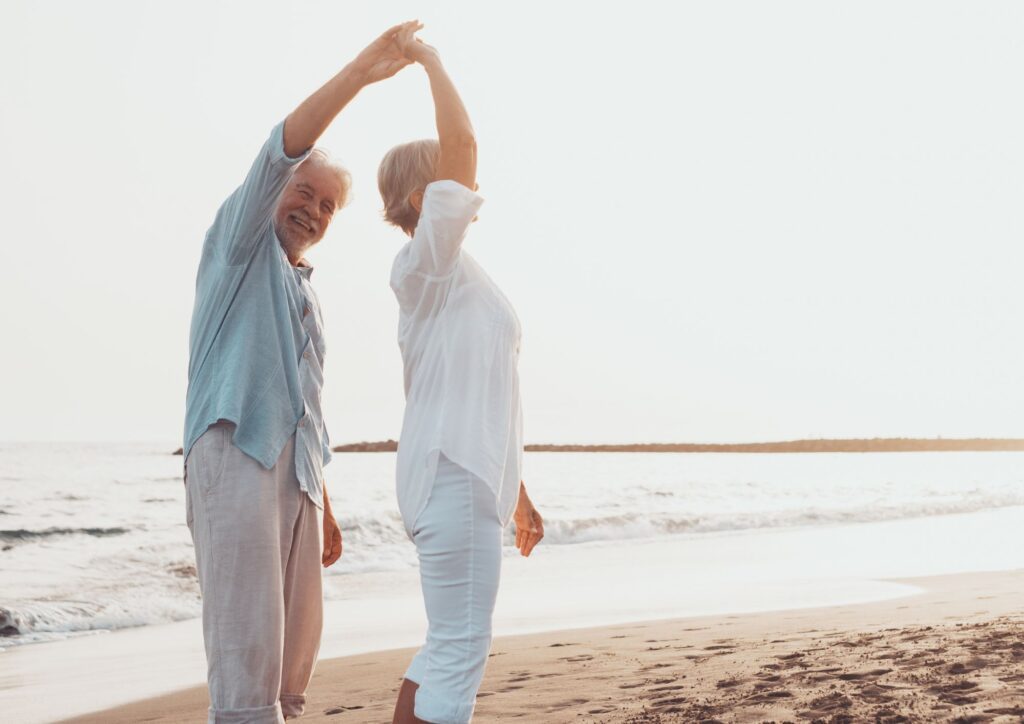
The Blue Zones show us that long life isn’t just about what we eat or how we move — it’s about who we move with. Connection keeps us grounded. Community keeps us resilient. And belonging keeps us well.
We don’t need perfect friendships or big gatherings. We just need people — in whatever form that looks like in this season of life.
Even a smile at a bakery can be a step toward health.
If this topic resonated with you, here are a few gentle, practical Blue Zone‑inspired posts you might enjoy:
- Blue Zones Eating Made Simple A warm, practical guide to adding more plants to your everyday meals — without restriction, guilt, or complicated rules.
- How Natural Movement Helps You Age Better A look at how gentle, everyday movement supports longevity — no gym memberships required.
- Finding Ikigai: A Gentle Way to Feel Alive Again A soft, reflective exploration of purpose, identity, and the small things that make life meaningful.