A gentle, Blue Zone‑inspired guide to everyday belonging for little ones.
Intro: Why Micro‑Rituals Matter for Kids
You can’t start good habits early enough — and the smallest ones often stay with them forever. In the Blue Zones, children grow up surrounded by tiny rituals that make them feel safe, seen, and part of something bigger. These moments aren’t elaborate. They’re simple, predictable, and woven into daily life.
And toddlers? They thrive on exactly that.
Micro‑rituals give them rhythm, belonging, and emotional security. They help them understand: I am loved. I am part of this family. I matter here.
In modern life, we often rush from one thing to the next. But these tiny habits — the ones that take seconds, not hours — are what build the emotional architecture of childhood.
1. Morning Cuddles: Starting the Day Slow
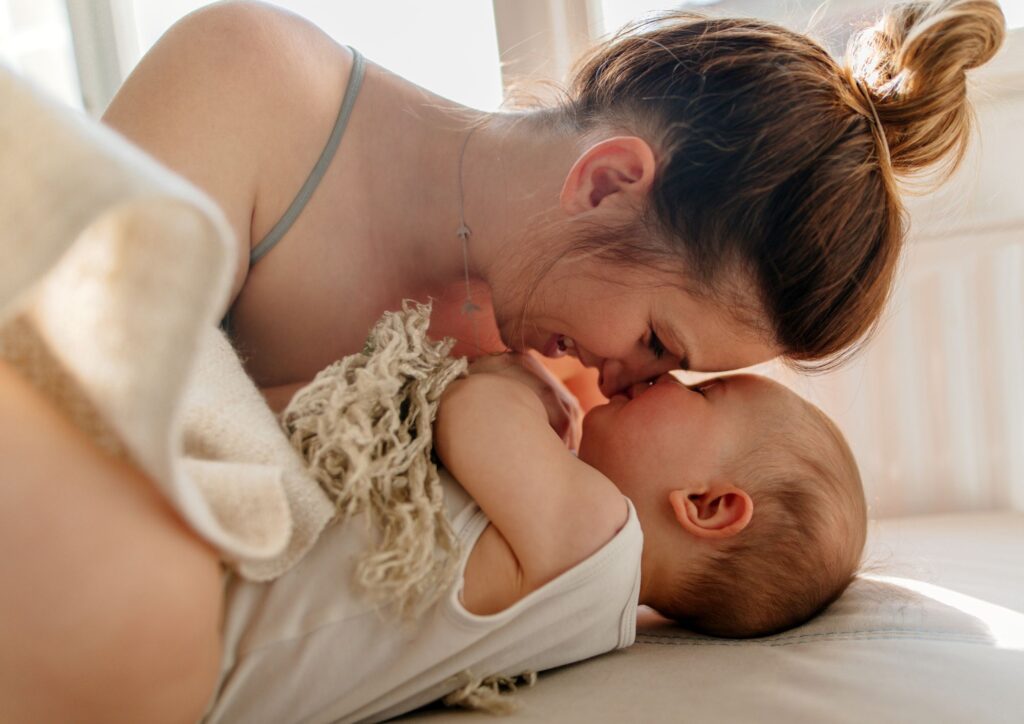
I love starting the day slowly. Getting up a little earlier, spending some cuddle time, instead of rushing straight into the rat race — it gives so much more. It’s such a gentle way to begin the morning, and it recharges everyone before the day even starts.
We try to spend quality time with our son before daycare. Partly because sunset is early these days, so we can’t always go for a walk after work — but also because this morning pocket of connection feels grounding for all of us.
These moments don’t need to be long. They just need to be felt. Morning rituals are the first anchor of the day.
2. Coffee Time: Shared Rhythms and Tiny Joys
One of my favourite micro‑rituals is making my coffee while he eats breakfast. He loves listening to the sound of the coffee maker — the rhythm, the little noises, the anticipation. Sometimes he even dances to it.
It’s such a small thing, but it’s a moment we share every single day. A tiny ritual that belongs to us.
This is what micro‑rituals look like: ordinary moments made meaningful through repetition and presence.
3. Daily Fresh Air: Movement as Connection
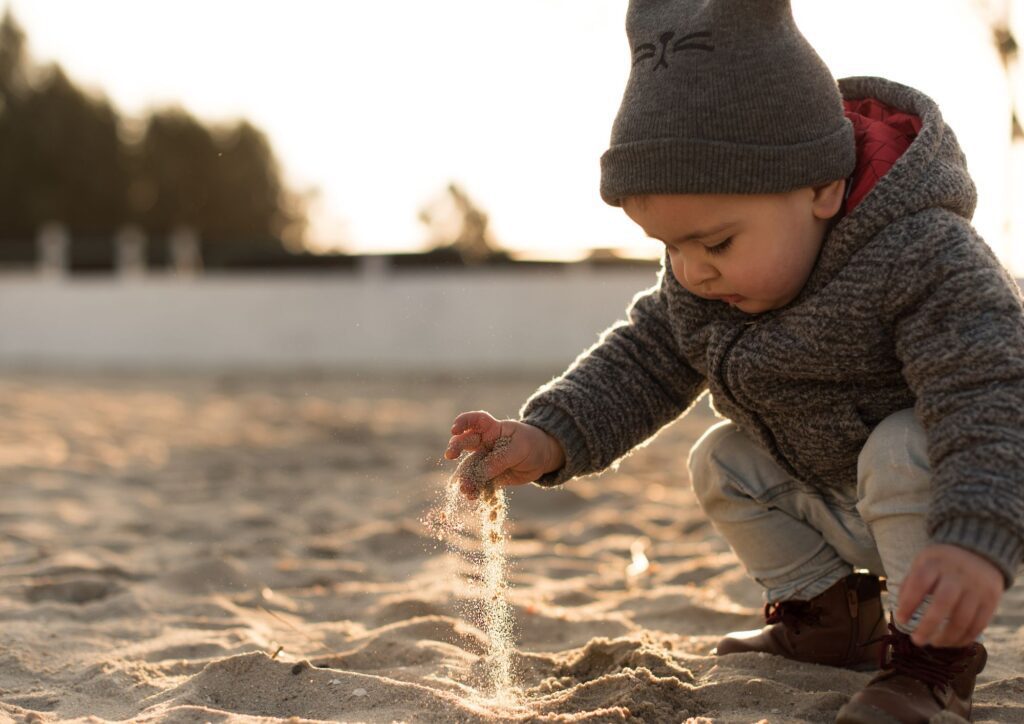
We try to go for a walk every day — even if it’s just a few minutes outside. Fresh air, a change of scenery, a tiny adventure. In the Blue Zones, movement isn’t a chore; it’s woven into life. Kids walk, climb, explore, and move naturally.
Our son loves:
- touching things
- running up and down hills
- exploring uneven terrain
- going on little hikes
These moments aren’t just physical. They’re bonding. They’re grounding. They’re how toddlers learn the world.
Natural movement is connection.
4. Yoga at Daycare: Early Mind–Body Rituals
Our daycare recently introduced yoga for the kids. I’m pretty sure it’s not “real” yoga — but I cherish it. It’s such a great idea. The kids love it. It’s uncoordinated, of course, but they have to start somewhere.
It’s a micro‑ritual of calm, focus, and fun. And it plants seeds for lifelong habits.
5. Helping Hands: Chores as Belonging
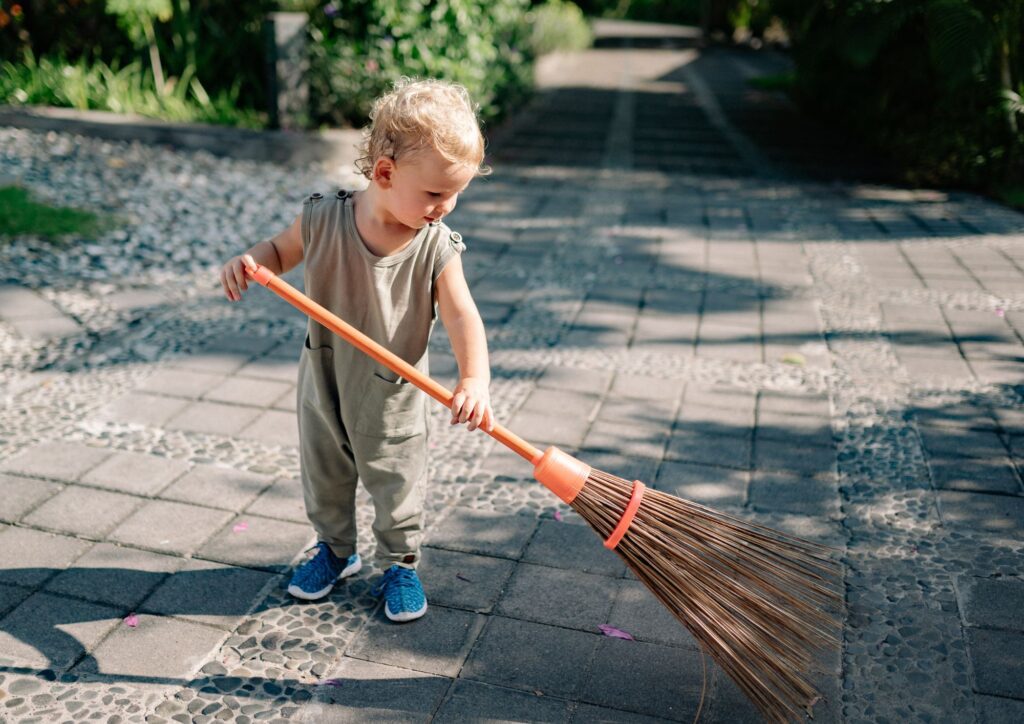
Our son is at the stage where he loves helping. So we try to involve him in small chores — carrying things, wiping surfaces, “using” the broomstick. He’s more of a distraction than actual help, but I let him explore and always say thank you.
Some people take things away because the child makes a mess or isn’t helpful. But that discourages them. Toddlers need to feel included. Helping is how they learn competence, confidence, and belonging.
Toddler chores are micro‑rituals of contribution.
6. Food Rituals: Learning Through Presence
We’re trying to eat together as a family, but sometimes there’s a delay. Often it’s easier to serve him first and join later — he’s slower than us, and sometimes it’s easier to prepare things when he’s in his high chair.
He loves watching the pots and pans when we cook. The next step will be involving him more — mixing, sprinkling, stirring. I like telling him what I put in the food so he can learn how meals come together.
These tiny rituals teach him that food is connection, not pressure.
Family food culture starts early.
7. Music Rituals: Calm Without Screens
We love listening to music — calm or fast, depending on the mood. It’s become one of our simplest and happiest micro‑rituals. Anywhere we go, if there’s music, he’s ready to dance. He shakes his knee or hip, claps, swings, wiggles, shakes his head, runs around, and sometimes invents his own little choreography. It is pure joy to watch.
Music is such a simple way to shift the atmosphere. Even toddlers feel it: the slowing down, the excitement, the rhythm, the sense that “we’re together.” It’s a screen‑free ritual that helps him regulate, express himself, and connect with us through movement and sound.
These moments teach him that joy doesn’t come from entertainment — it comes from rhythm, presence, and shared energy.
8. The “I’m Here” Touch: Emotional Safety
When we go for a walk and he’s in the pram, he doesn’t see me. So I like stroking his hair or gently touching his shoulder — just a small reassurance that I’m here, even if I’m behind him. Toddlers don’t always need words. They need signals. A familiar touch. A presence they can feel.
Sometimes he walks too, which is beautiful but a bit harder to keep him on track. A ball or food can help, but I don’t want him to rely on that. He also loves going on his little motorbike — full of pride, full of independence, full of tiny adventures.
These moments teach him that exploration is safe, and that connection doesn’t disappear just because he can’t see me.
9. Saying Goodbye: Letting Go with Ease
We like saying bye to things — toys, places, objects. This simple ritual makes transitions easier for him. It signals that we’re moving on, heading to the next adventure. Toddlers often struggle with endings, and this tiny habit gives him a sense of closure.
He also says bye‑bye to people before sleep. It’s the sweetest thing — a tiny ritual that helps him wind down, acknowledge the day, and let go gently. It’s his toddler version of gratitude and closure.
These micro‑rituals help him practice letting go — a skill that will serve him far beyond toddlerhood.
10. Reconnection: The Most Precious Ritual of All
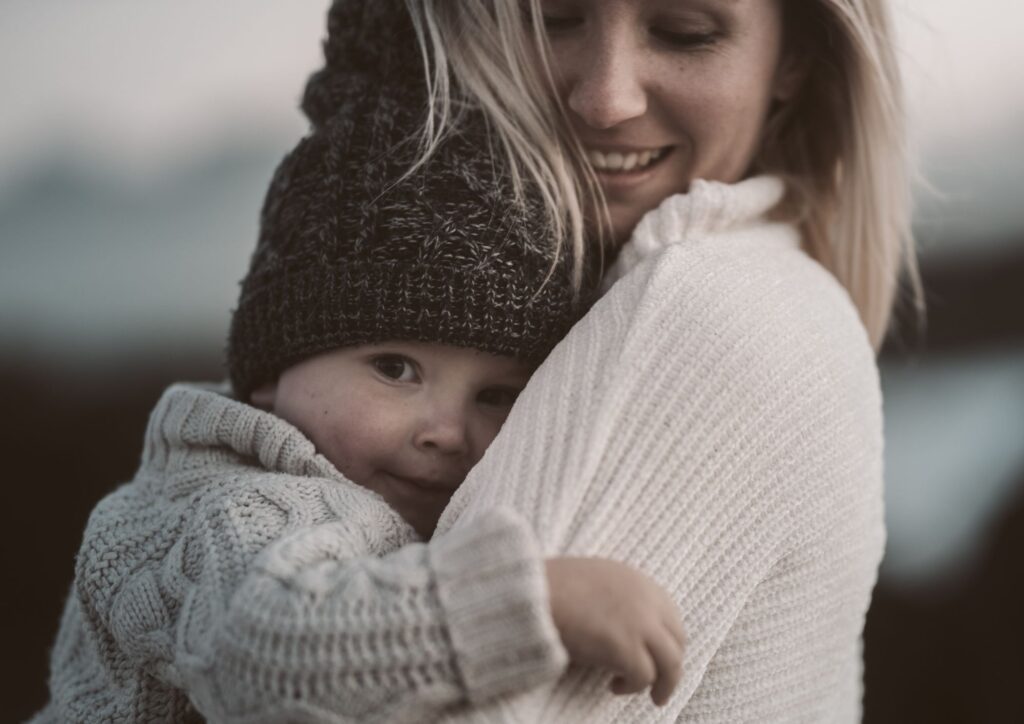
I always love reconnecting with him. His face changes when he sees me — lighting up, smiling, running toward me. The other day I joined them in the park later, and even from 50–100 metres away he recognised me and ran toward me with the happiest smile in the world. I don’t know if it was my smell, my walk, or just the milk association — but he knew. And it felt so precious.
Reconnection is the micro‑ritual that ties everything together. It’s the emotional glue of toddlerhood. Whether it’s after daycare, after a nap, or after a moment of separation, these reunions teach him that love returns. That presence returns. That we come back to each other.
It’s one of the simplest rituals — and one of the most powerful.
11. Evening Rituals: Soft Landings
My son doesn’t talk much yet, so I can’t ask him about his favourite part of the day — but I love the idea. Some families do this at dinner, and it’s such a beautiful ritual. For now, our evenings are quieter. We dim the lights, we tidy a little, we slow down together.
We’d also like to introduce a tidy‑up ritual soon. Even if he can only put one block in a basket, it’s a tiny habit that teaches responsibility and closure. Toddlers love being part of the process, and these rituals help them understand the rhythm of the home.
And when he’s tired and ready for sleep, he says bye to everything — toys, rooms, people. It’s his way of closing the day. A toddler version of gratitude, softness, and letting go.
These small rituals help him land gently into rest.
Closing Reflection
Micro‑rituals don’t require more time.
They require presence — tiny pockets of intention that help toddlers feel held by the rhythm of family life.
In the Blue Zones, these rituals happen naturally.
In modern life, we create them consciously.
And that’s just as powerful.
This post is part of a gentle series on Blue Zone habits. If you’re curious about how adults build connection, you can read more here: Blue Zone social life.