
I’m writing this at 10:30pm, after finally getting my baby to sleep. It was one of those days — the kind where he fought every nap, every bedtime, every moment of rest. At one point, when I felt completely drained, I caught myself scrolling on my phone, imagining a better life without actually doing anything to move toward it.
But when I left his room tonight, something shifted. Instead of collapsing into the couch, I opened my laptop and wrote a post. And then another. And another.
Suddenly, I didn’t feel tired anymore. I felt alive. Accomplished. Like I did something for myself and for my future. Like I wouldn’t go to sleep disappointed in myself.
That feeling — that spark — is what ikigai is about.
What Ikigai Really Means
I first heard about ikigai while watching a Netflix show about the Blue Zones — the five places in the world where people regularly live to 100, not in care homes, but active, healthy, capable, and full of life.
One of those places is Okinawa, Japan. And that’s where I discovered one of my favourite concepts: ikigai — your reason for waking up in the morning.
Not a grand purpose. Not a life mission statement. Just the thing (or things) that make you feel alive.
If you want a deeper explanation, explore ikigai meaning.
Why Ikigai Is a Blue Zones Concept
Ikigai is one of the reasons people in Blue Zones live so long. It keeps them emotionally alive — not just physically.
Many of us dream about retirement as the moment life finally begins. But I’ve seen it in my parents’ generation: when people stop working and lose their sense of purpose, they often decline. Not because they’re old, but because they’re unanchored.
Ikigai protects against that. It gives you something to look forward to. Something to contribute. Something that makes you feel needed, creative, connected, alive.
And the beautiful thing is: you don’t need to wait until retirement to find it. You can build it now, in small ways, even in the middle of motherhood, chaos, and exhaustion.
Explore more with purpose and longevity.
Half Ikigai vs Full Ikigai
This distinction changed everything for me.
Half Ikigai
A hobby or activity you do occasionally — something that makes you feel good, grounded, creative. It doesn’t have a big purpose. It just lights you up.
Full Ikigai
When that spark becomes part of your life. When you weave it into your days. When you let it grow into something meaningful — maybe even something you earn money from.
Most of us dream about that version of life: doing something refreshing, creative, exciting, something that feels like us.
But instead, we end up in jobs that drain us. We dread Mondays. We feel stuck. We know something is missing.
And somewhere in a parallel universe, there’s a version of you who took the other path — the one you always wanted to try but were too scared to. That version of you is probably happier.
Wouldn’t it be worth exploring that?
If you want to go deeper, tap find my ikigai.
Ikigai Changes With the Seasons of Your Life

Ikigai isn’t something you choose once and keep forever. It shifts with you. The things that made you feel alive at 10 won’t be the same at 25, and they won’t be the same after becoming a mother. Every season of life asks something different from you — and gives something different back.
Your ikigai can be small in one season, bold in another, quiet in another. And that’s okay. Purpose isn’t fixed. It grows with you.
Not All Hobbies Are Ikigai
Passive hobbies — like watching TV, scrolling, consuming — are comforting, but they’re not ikigai. Ikigai involves doing, creating, engaging, growing. It’s active. It’s alive.
You don’t have to be good at it. You just have to feel something when you do it.
Start Small — 5 to 10 Minutes
You don’t need to quit your job or reinvent your life overnight. Start tiny.
Five minutes. Ten minutes. That’s it.
Try something you used to love before life got busy. Try something you’ve always been curious about. Try something that makes you feel even a little bit more alive.
Because here’s the truth: Nothing changes if you stay passive. Magic doesn’t happen while you’re scrolling or binge‑watching the same comfort show again. You have to do something — even something small.
Ikigai doesn’t require big bravery. It asks for tiny courage — the courage to choose yourself for five minutes, the courage to try something new, the courage to be a beginner again. These small acts of courage are what slowly turn a habit into a rhythm, and a rhythm into a part of who you are.
Ikigai and Connection
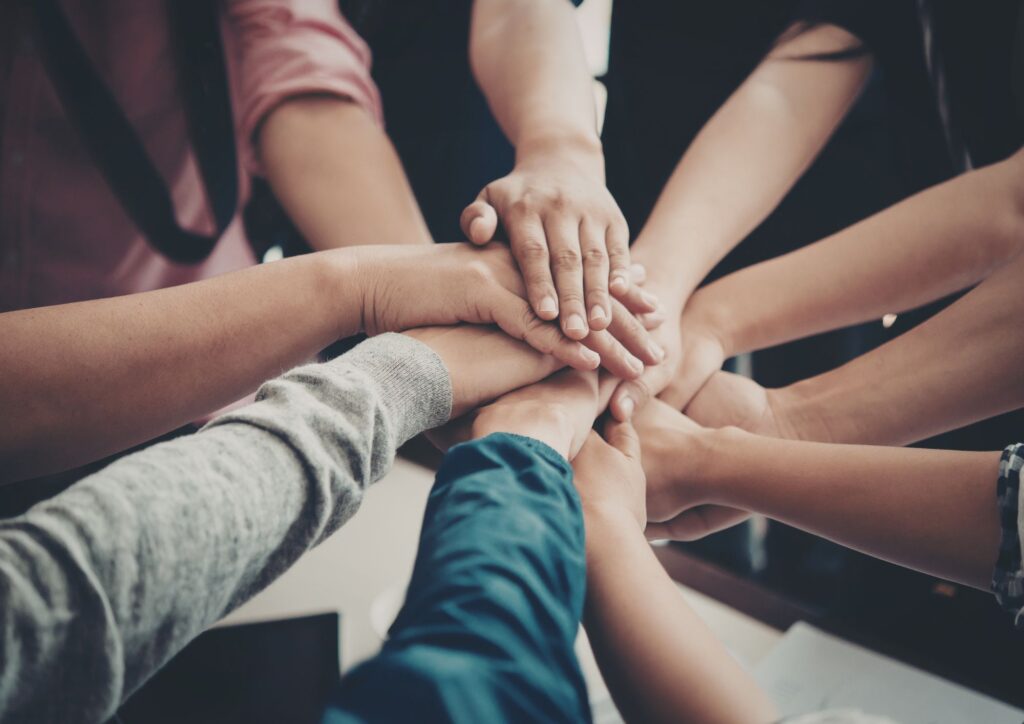
Ikigai isn’t only about what you do — it’s also about who you do it for. In the Blue Zones, people belong to small social circles called moais that support each other emotionally and socially. Purpose grows in connection.
For me, writing started as something personal, but it slowly became something I wanted to share. Something that might help someone else feel seen, understood, or less alone. And that’s the beautiful thing about ikigai — when you share it, it expands.
Ikigai and Mental Health
Ikigai is also deeply connected to mental health. When you do something meaningful — even for a few minutes — your nervous system shifts out of survival mode. You feel grounded again. You feel capable again. You feel like yourself again.
Passive rest soothes you, but active purpose strengthens you. It gives your mind something to hold onto, something to look forward to, something that reminds you that you are more than your responsibilities.
Ikigai in Motherhood — Finding Something That’s Yours
It can feel harder to start your ikigai journey when you have a child — but in some ways, it becomes clearer. When your spare time shrinks, you start prioritising what actually matters. There will be days when you’re too tired, too drained, too touched‑out to do anything for yourself. But there are also days when you can’t wait to do something that’s just yours.
Motherhood itself is a kind of ikigai — it gives you a reason to wake up every morning. But I think it’s important to have something else too. Something that energises you. Something that feels like a tiny act of healing. Something that reminds you that you exist outside of the roles you carry.
Becoming a mother brings one of the biggest identity shifts a woman can experience. In the postpartum months, your world becomes centred around caring for someone else. Your time, your energy, your body, your sleep — everything is pulled outward. And in that constant giving, it’s easy to forget that you are a person too, with needs that matter just as much as everyone else’s.
Ikigai becomes a way back to yourself. A reminder that your wellbeing isn’t optional — it’s essential. Because when you’re well, grounded, and nourished, you can show up for others with more patience, more presence, and more love.
My Own Ikigai Journey

One of the reasons I started writing again was exactly this. I had the idea in my mind for a long time, but I didn’t act on it. Years ago, I had a small blog. I enjoyed it, and people around me enjoyed it too. Maybe that’s why I felt pulled to try again — properly this time.
It’s been more than six months now. Not a long time, but long enough to learn, grow, and rediscover parts of myself I thought I’d lost. Writing has become a small act of self‑discovery — a quiet, steady ikigai.
Closing Thoughts
Ikigai doesn’t ask you to change your whole life. It asks you to notice the small things that make you feel alive — and to follow them gently. To choose yourself in tiny moments. To honour the parts of you that still want to grow. Your ikigai doesn’t have to be big or impressive. It just has to be yours.
This post is part of my Blue Zones series. If you want to start from the beginning, here is my first post about what the Blue Zones are and why they changed how I think about life.