
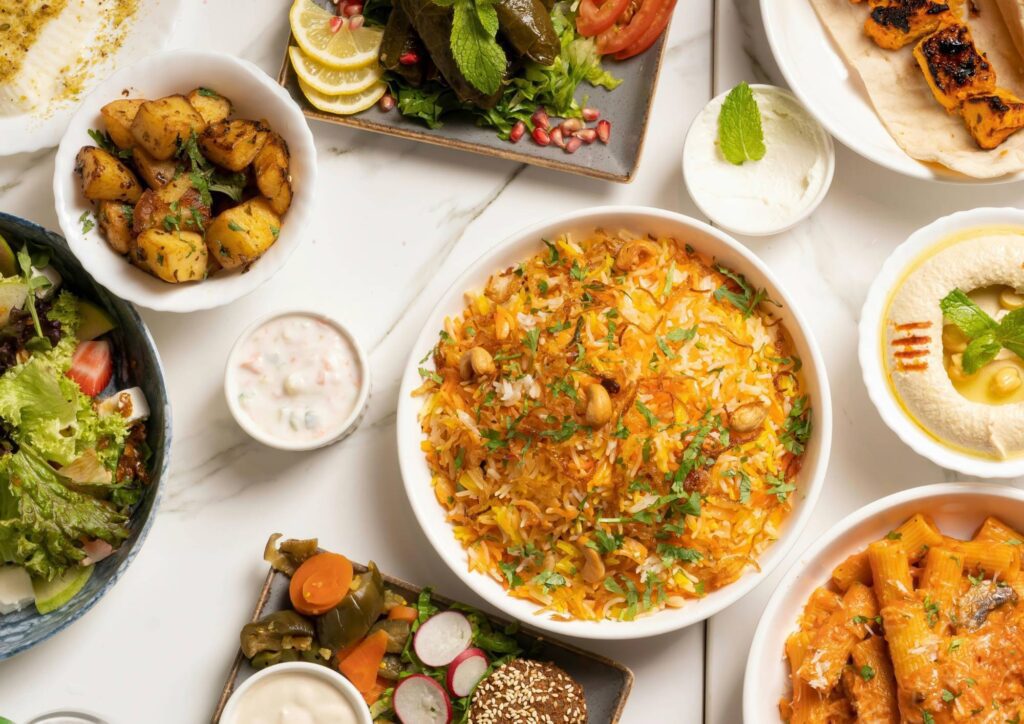
Talking about food can get complicated because it’s easy for it to sound extreme or “all or nothing.” But eating like the Blue Zones isn’t about labels — it’s about patterns. It’s about eating more plants, not necessarily becoming plant‑based.
For most of human history, people naturally ate this way. Vegetables, grains, legumes, and whatever was seasonal or affordable made up the bulk of everyday meals. Meat was something you had occasionally — for celebrations, Sundays, or when you were lucky. It wasn’t because people were trying to be healthy; it was simply too expensive to eat daily.
As economies grew and people became wealthier, meat became more accessible. And with that shift, many cultures — including mine — moved from eating meat once or twice a week to eating it every day, sometimes multiple times a day. We swung from one extreme to the other.
But our bodies didn’t evolve as quickly as our supermarkets did.
Growing up, I also thought vegetarian food was boring or “less nutritious.” I didn’t want to order it at restaurants because it felt like the less exciting option. But vegetables only feel boring when we don’t know how to cook them. Once you learn how to season, roast, spice, and combine them, they become some of the most flavourful meals.
Eating more plants doesn’t have to be a dramatic identity shift. It can simply be a gentle return to the way humans have eaten for generations — meals that leave you feeling lighter, clearer, and more energized.
What Blue Zones Actually Eat
People often assume Blue Zones are vegan, but they’re not. They’re plant‑forward, not plant‑exclusive. Their meals are built around:
- Beans
- Vegetables
- Whole grains
- Greens
- Herbs + spices
- Nuts + seeds
Meat is eaten rarely — often just a few times a month. Dairy is minimal or fermented. Sugar is occasional, not daily.
And culturally, this looks different everywhere:
- Mediterranean → olive oil, lentils, chickpeas, vegetables, herbs
- Middle Eastern → hummus, tahini, lentils, roasted vegetables, fresh herbs, salads with every meal
- Indian → dals, curries full of vegetables, rice + legumes
- East Asian → tofu, greens, soups, vegetables in almost every dish
- Latin American → beans, corn, squash, rice, fresh produce
What stands out is not restriction — it’s simplicity and variety. Food is fresh, local, seasonal, and eaten in community.
Why Beans Are a Longevity Food
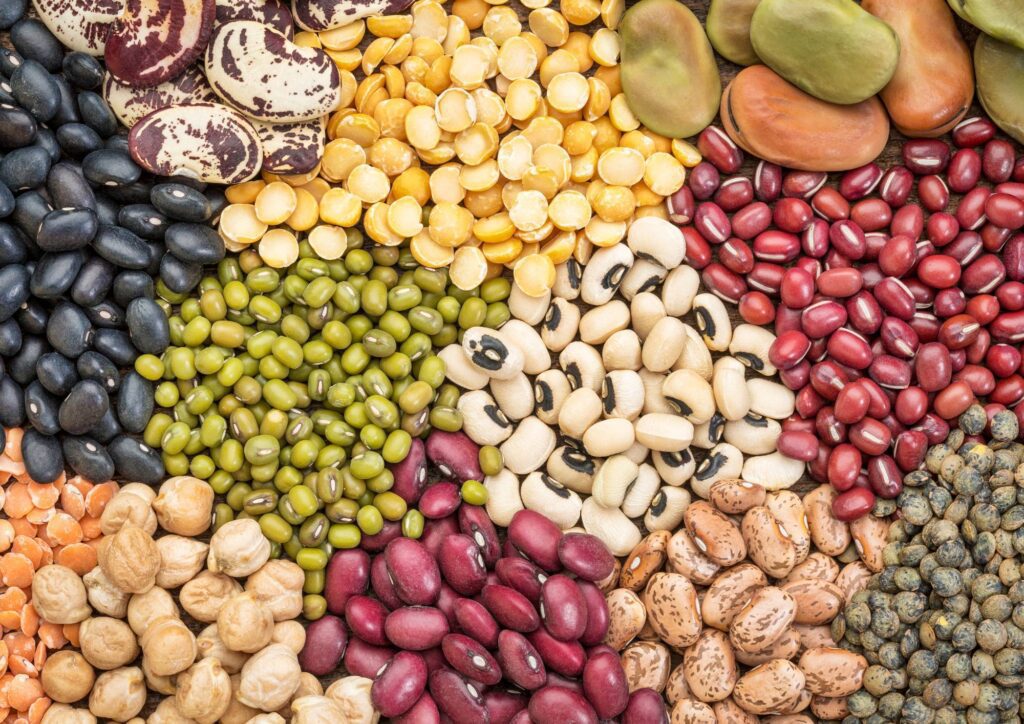
Beans are the one food every Blue Zone has in common. They’re inexpensive, filling, and incredibly nutrient‑dense.
And they’re versatile. You can use them in:
- Mexican bean soup
- White bean pasta with greens
- Bean dips
- Bean salads
- Bean brownies
- Asian sweets like mochi or red bean buns
Beans matter because they’re:
- high in fiber
- high in plant protein
- rich in minerals
- linked to lower mortality
- affordable and accessible
People in Blue Zones often eat one cup of beans a day — not because they’re trying to be healthy, but because beans are delicious and part of their culture.
How to Start Eating More Plants (Without Going Vegan)
You don’t need to go vegan to eat like a Blue Zone. You just need to eat more plants.
Some gentle ways to start:
- Add veggies to meals you already eat (sandwiches, pasta, rice bowls)
- Try a smoothie or porridge with fruit in the morning
- Try Meatless Monday
- Swap the base: lentils instead of mince, chickpeas instead of chicken
- Explore cuisines that naturally use lots of vegetables — Thai, Indian, Middle Eastern, Mediterranean
- Add a small salad to any meal (even if you’re having pasta or potatoes)
- Use herbs, spices, and sauces to make vegetables exciting
This approach is flexible, realistic, and sustainable — and it avoids the “all or nothing” mindset.
Listening to Your Body (The Part We Often Skip)

One thing I’ve learned is that your body tells you everything — we just don’t listen.
Many of us reach for comfort foods or junk foods because they give instant gratification. But then we feel sick, bloated, heavy, or exhausted afterward. And we ignore it.
As kids, many of us were conditioned to overeat. I remember going to birthday parties and feeling like I had to try everything. I always left feeling sick, with a “food baby,” but I never questioned it. I think a lot of us never grew out of that.
It reminds me of the Romans — the elite would eat so much at feasts that they used a feather to make themselves vomit so they could keep eating. It sounds dramatic, but in a way, many of us still behave like that. We override our fullness cues because we’re conditioned to.
The same goes for gluten, dairy, sugar — sometimes your body is screaming, and we’ve been taught to silence it.
Learning to pause and ask, “How do I actually feel after eating this?” is one of the most powerful tools we have.
A Personal Story About My Own Transition
I didn’t grow up eating this way. In Hungary, meat is central to almost every meal, and that’s simply the culture I was raised in. But as I got older, I started noticing how common heart and lifestyle‑related health issues were around me. Many of these conditions are linked to diet, especially high red‑meat consumption, and that made me curious about how much our everyday meals shape our long‑term wellbeing.
I used to think vegetarian food wasn’t nutritious enough. I heard that you could only get vitamins, minerals, and iron from animal products. Then we watched The Game Changers, and suddenly I saw athletes thriving on plant‑based diets. Stronger, faster, healthier.
But the biggest shift came from my own body. When I ate a lot of red meat, my digestion slowed down. I felt heavy, bloated, like I had a constant “food baby” and crashing into a food coma after meals. When I started eating more plants, I felt lighter. My digestion improved. My energy changed.
And then I learned things I wish we were taught in school — like how iron absorption works. I used to eat porridge with coffee or tea, not knowing that it blocks iron absorption. I had no idea I needed vitamin C with iron‑rich foods. We’re conditioned into habits that don’t serve us, and we’re rarely taught how to eat in a way that supports our bodies.
And one more thing: You shouldn’t expect plant‑based meals to taste exactly like meat. Sometimes they’re close, but often they’re just different. And that’s okay. You have to be flexible with your taste buds.
How to Start Today (Simple, Doable Steps)
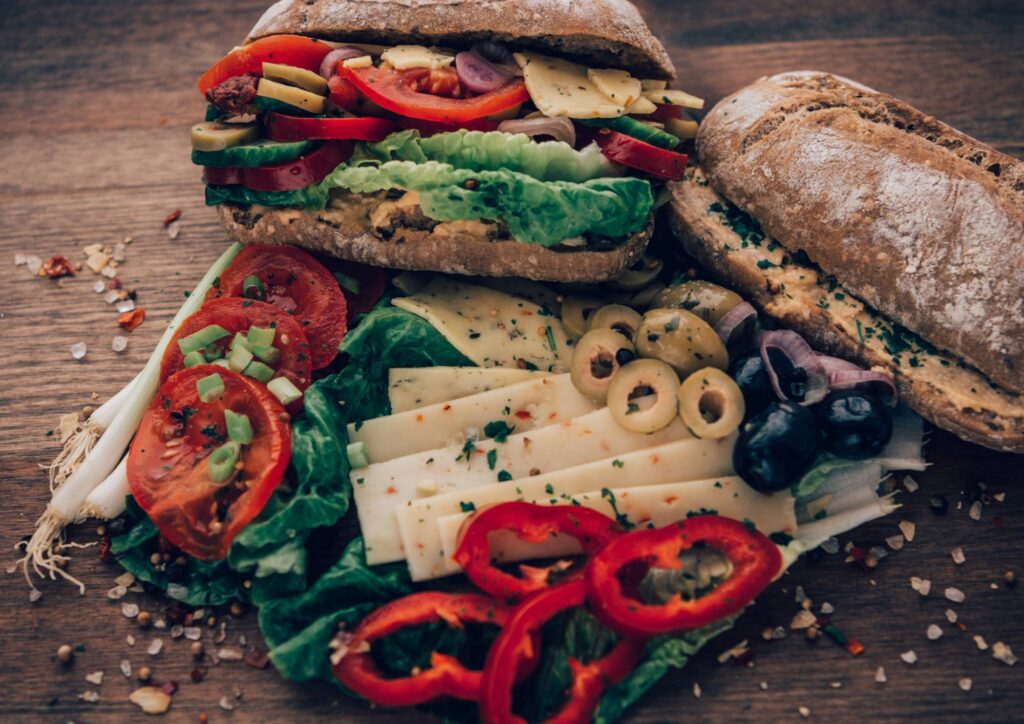
Here are a few gentle ways to begin eating more like the Blue Zones — no pressure, no perfection, just small shifts that add up:
- Add one extra vegetable to whatever you’re already eating
- Try one plant‑based meal this week (breakfast is easiest)
- Swap one thing — lentils instead of mince, chickpeas instead of chicken
- Make a bean dish (soup, dip, pasta, salad — anything you enjoy)
- Add a small salad to any meal, even if it’s pasta or potatoes
- Try a global cuisine that naturally uses lots of vegetables (Thai, Indian, Middle Eastern, Mediterranean)
- Pair iron‑rich foods with vitamin C and avoid tea/coffee right before or after
- Notice how you feel after eating — light, heavy, energized, sluggish
- Be flexible with your taste buds — plant‑based meals don’t need to taste like meat
- Choose curiosity over judgment — experiment, adjust, learn
Conclusion (Gentle, Reflective, Empowering)
At the end of the day, eating like the Blue Zones isn’t about perfection, labels, or following strict rules. It’s about reconnecting with the way humans have eaten for most of history — simple meals, real ingredients, lots of plants, and an awareness of how food makes us feel.
It’s about slowing down enough to notice what nourishes you and what drains you. It’s about choosing foods that support your body instead of working against it. It’s about learning, experimenting, and being curious rather than judgmental.
And most importantly, it’s about remembering that small changes matter. You don’t need to overhaul your entire diet. You don’t need to become vegan or give up everything you love. You just need to take one gentle step toward eating in a way that feels good — not just in the moment, but in the long run.
Longevity isn’t built in a day. It’s built in the quiet, everyday choices we make — one meal, one habit, one moment of awareness at a time.
If you want to explore more, you can dive into natural movement or Blue Zones habits.