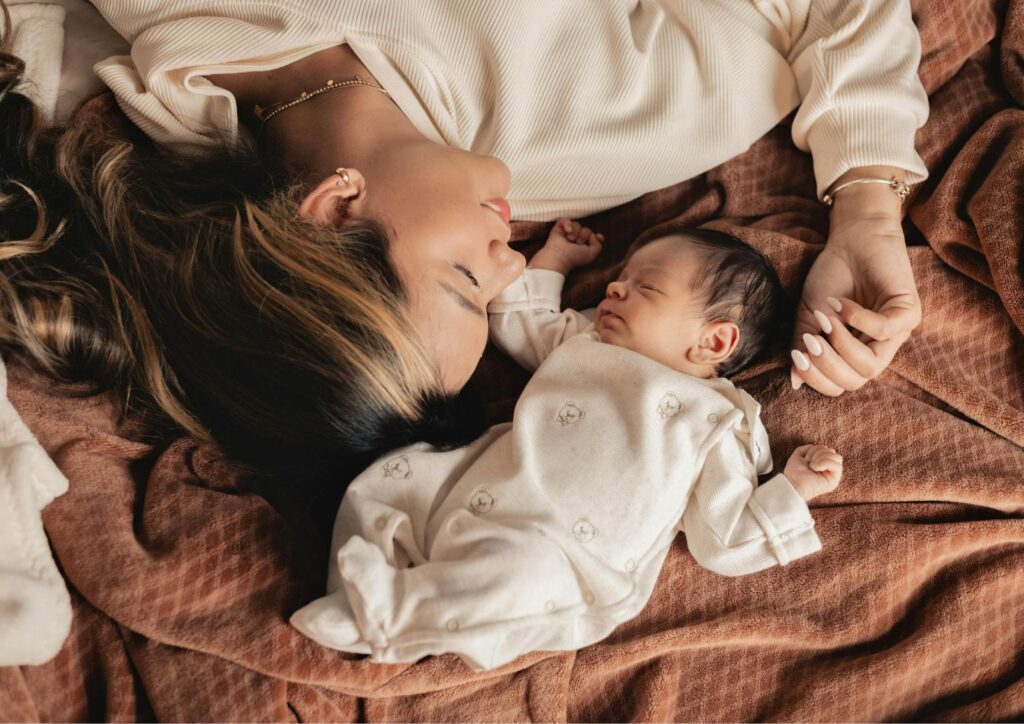
Honest Postpartum Tips for New Moms
The postpartum period is often described as the “fourth trimester,” but honestly, it deserves its own season. A season of slowness, softness, and survival. A season where your body is healing from one of the most intense physical events it will ever go through, and your mind is adjusting to a new reality that feels both magical and overwhelming.
There’s a saying I love: “First week in the bed, second week on the bed, third week around the bed.” It sounds old‑fashioned, but the wisdom is real — recovery is slow, and that’s not a failure. That’s biology.
Below is a mix of reflections, practical tips, and gentle reminders from my own experience. Take what resonates, leave what doesn’t. Every postpartum journey is different, but none of us should walk it unprepared.
Postpartum Recovery: Rest Is Not Optional
Whether you had a vaginal birth, a C‑section, or anything in between, your body needs time. More time than you think.
You may be surprised by:
- How much you bleed — it’s normal, but it can be shocking.
- How often you need to change maternity pads — get the extra‑thick ones.
- How tired you feel — not just sleepy, but bone‑deep tired.
This is not the moment to “bounce back.” This is the moment to lie down, breathe, and let your body knit itself back together.
Pain, Swelling & All the Uncomfortable Bits
Many people are advised to use pain relief or anti‑inflammatory medication — always check with a healthcare professional first. But beyond that, there are simple things that can make a world of difference:
- Ice packs for swelling
- A peri bottle with warm water (witch hazel if recommended)
- Sitz baths with Epsom salt for soothing inflammation
- Avoiding steaming the area — it’s too sensitive and can make things worse
- A donut cushion or semi‑reclined position if you have tears
These little tools become your best friends. Truly.
Your Belly Will Feel Strange — And That’s Okay
No one told me how odd my stomach would feel after birth. Empty, loose, almost like an external object was wrapped around me. It wasn’t painful — just unfamiliar.
Wrapping helped me feel more grounded. Some cultures have beautiful traditional wraps, but honestly, I just used my pregnancy belt and it worked wonders.
Toileting After Birth: The Truth
This part is rarely discussed, but it should be.
If you had tears, going to the toilet can feel intimidating. Some people are advised to use stool softeners — but too much can cause urgency and accidents, which can feel emotionally heavy even though there’s nothing shameful about it.
A few things that help:
- Peri bottle after every toilet visit
- Taking your time
- A small stool under your feet — this changes your pelvic angle and makes everything easier (I had never heard of this before, and it works wonders)
- Breathing through it
- Being kind to yourself
Your body is not betraying you — it’s healing.
Comfort Clothing Only
This is not the time for tight waistbands, scratchy fabrics, or anything that requires effort. Soft, loose, breathable clothes are the uniform of postpartum life.
Postpartum Emotions: The Rollercoaster No One Warns You About
The mental shift hits hard.
You’re not sleeping.
You’re feeding constantly.
You’re learning a new human.
You’re trying to heal.
I remember being anxious about the smallest things — going to the toilet, taking a shower, washing my hair. Personal hygiene slipped to the bottom of my list, and I didn’t realise how much it affected my mood until I finally showered and felt human again.
These tiny acts of care are not luxuries. They’re lifelines.
“Sleep When the Baby Sleeps”… With a Reality Check
People love to say “sleep when the baby sleeps.” And honestly, it is good advice — with a few tweaks. You can’t always sleep when the baby sleeps. Sometimes you’ll feel the urge to do chores, or shower, or scroll your phone in silence, and that’s completely normal.
The real goal is balance, not perfection.
A few things that helped me:
- Try to get one nap a day if your baby keeps you up at night — even a short one helps.
- Do a few chores if it makes you feel more grounded, but don’t push yourself.
- Your house doesn’t need to be spotless.
- You can leave things for later (just… maybe not three days later, haha).
- Rest is part of recovery, not something you have to “earn.”
A clearer version of your final line: Give yourself permission to rest when you can, to skip the chores when you need to, and to let good‑enough be truly enough.
Food, Snacks & Nourishment
Cooking in the first weeks? Nearly impossible.
Your options:
- Prepare and freeze meals before birth
- Accept food from friends and family
- Order in without guilt
- Keep snacks everywhere
Your appetite might increase, especially if breastfeeding.
And you know what? Eat.
This is not the time to diet. Your body is repairing itself and possibly producing milk — it needs fuel.
Fresh Air & Gentle Movement
When you feel ready (and your healthcare provider agrees), start small:
- A few minutes of walking
- Sitting outside for fresh air
- Letting sunlight touch your skin
It’s amazing how much a little vitamin D can lift your spirits.
Apps & Tracking: Optional, Not Required
Some people love tracking feeds, nappies, and naps.
Some people don’t have the energy.
Both are valid.
If you do want to track, popular options include:
- Huckleberry
- Baby Tracker
- Glow Baby
We didn’t track anything and somehow survived.
If tracking gives you peace of mind, go for it.
If it stresses you out, skip it.
Breastfeeding: Natural Doesn’t Mean Easy
Breastfeeding is one of the biggest shocks to the system. You think it will be instinctive, but many people struggle at first.
My baby’s latch was shallow.
Feeds took forever.
It hurt.
I had cracks.
I felt like a walking pain.
If you’re struggling, you’re not alone — and support from a lactation consultant can make a huge difference.
YouTube Channels That Helped Me
For gentle postpartum exercise: There are some great channels out there, but please — go slowly. Talk to your doctor before starting anything. And if you get tired after 2–5 minutes, stop. You don’t get extra points for pushing through pain. Sometimes starting too early does more harm than good.
My favourite postpartum‑friendly channel: https://www.youtube.com/@PregnancyandPostpartumTV
Once you’re ready, baby‑yoga classes can be lovely — gentle movement + socialising with other parents.
For milestones: You’ll probably watch a million videos trying to figure out what’s “normal.” Emma’s channel is one I found helpful — calm, clear, and reassuring. But at the end of the day, you decide what’s right for your child.
AI & Mom Groups
ChatGPT or other AI platforms become your 3am best friends — quick answers, reassurance, ideas. And Facebook mom groups can be surprisingly comforting when you want human interaction or just need to vent to people who get it.
Note for Partners
Partners often want to help but aren’t sure how. The truth is, the most meaningful support is simple:
- Protect her rest — handle visitors, messages, and small tasks so she can sleep whenever possible.
- Take on the practical stuff — nappies, meals, laundry, bottles, tidying. These things matter more than grand gestures.
- Be emotionally present — she may cry, feel overwhelmed, or not feel like herself. Sit with her in it.
- Bond with the baby — skin‑to‑skin, cuddles, rocking. It helps both of you.
- Notice her needs — water, snacks, a fresh towel, five minutes alone. Tiny things feel huge in this season.
Partners don’t need to fix everything. Just being steady, gentle, and proactive makes an enormous difference.
What to Buy Before Birth: A Practical Checklist
A simple, realistic list — not the overwhelming ones you see online.
For Your Body
- Maternity pads (extra thick)
- Peri bottle
- Ice packs
- Sitz bath + Epsom salt
- Comfortable, loose clothing
- Postpartum support belt or wrap
- Stool softener (only if recommended by a healthcare professional)
- Donut cushion
For Toileting
- Small stool for your feet
- Witch hazel (if recommended)
- Soft toilet paper or wipes
For Feeding
- Nipple cream
- Breast pads
- Water bottle
- One‑hand snacks
For Baby
- Nappies
- Wipes
- A few simple outfits
- Swaddles
- Somewhere safe to sleep
For Survival
- Frozen meals
- Easy snacks
- A comfy blanket
- A basket to keep essentials within reach
You don’t need everything. You just need what makes your life easier.
The Most Important Part: Prioritise Yourself
Many of us go into 100% mom mode and forget we exist as humans. But your recovery is the foundation of your baby’s wellbeing.
Eat.
Rest.
Shower.
Ask for help.
Cry if you need to.
Laugh when you can.
Let things be imperfect.
You are healing, learning, and loving all at once — and that is extraordinary.
If this post helped you feel a little more grounded in the postpartum chaos, and you’re starting to feel ready for tiny adventures outside the house, you might enjoy my next post: Getting Out of the House With Your Little One
If you’d like something simple to help you check in with your emotions, I created a gentle Postpartum Mental Health Checklist you can use anytime. You can print it out, keep it on your phone, stick it on the fridge, or tuck it beside your bed — wherever it feels most helpful during those early weeks.