

I first came across the expression Blue Zones when we watched a documentary on Netflix. It’s called Live to 100: Secrets of the Blue Zones, and it completely changed how I think about aging. Before that, I had never even heard of it — but since then, I’ve been hooked. Like most people, I’m interested in longevity, but for me the real goal isn’t living longer. It’s living better. Nobody wants to live to 100 if the last 30 years are filled with health issues.
Growing up, I saw the opposite of this. In my home country, once you’re above 60, you often have a long list of health problems and weekly (or daily) GP visits. I always felt there had to be another way. I still remember going to Spain for the first time and seeing older people laughing in restaurants, enjoying life. It shocked me — in the best way. It was proof that aging doesn’t have to look like decline.
And that’s exactly what Blue Zones show us: there is another way — and it’s mostly lifestyle.
Not a magic pill. Not expensive treatments. Just daily habits, built over a lifetime.
And the best part? We can start now. One small change at a time.
What Are Blue Zones?
Blue Zones are five places in the world where people regularly reach 100 years old — and stay healthy, active, and mentally sharp while doing it.
The five regions are:
Okinawa, Japan
Strong social circles (“moai”), a mostly plant‑based diet, and purposeful living (“ikigai”).
Sardinia, Italy
Whole grains, vegetables, goat’s milk, family bonds, and daily walking.
Nicoya Peninsula, Costa Rica
Mineral‑rich water, active lifestyles, and “plan de vida” — a reason to live.
Ikaria, Greece
Mediterranean diet, afternoon naps, and tight community life.
Loma Linda, California
A Seventh‑day Adventist community focused on plant‑based eating, rest, and spirituality.
Different cultures, different foods, different climates — yet their people share similar habits.
What They All Have in Common
1. Natural Movement
People in Blue Zones don’t “work out” the way we think of it. They don’t spend hours in the gym. Their movement comes from daily life — walking, gardening, cooking, climbing hills. It’s simple, natural, and consistent.
Working from home actually helps here: stretching between tasks, a walk at lunch, a quick tidy‑up that gets you moving. Even our little one brings his shoes to say “let’s go” — that’s already a Blue Zones habit forming in our home.
And honestly, living in a hilly area has been a blessing in disguise. I used to hate the hills, but now I see them as free exercise built into my day.
2. Mostly Plant‑Based Eating
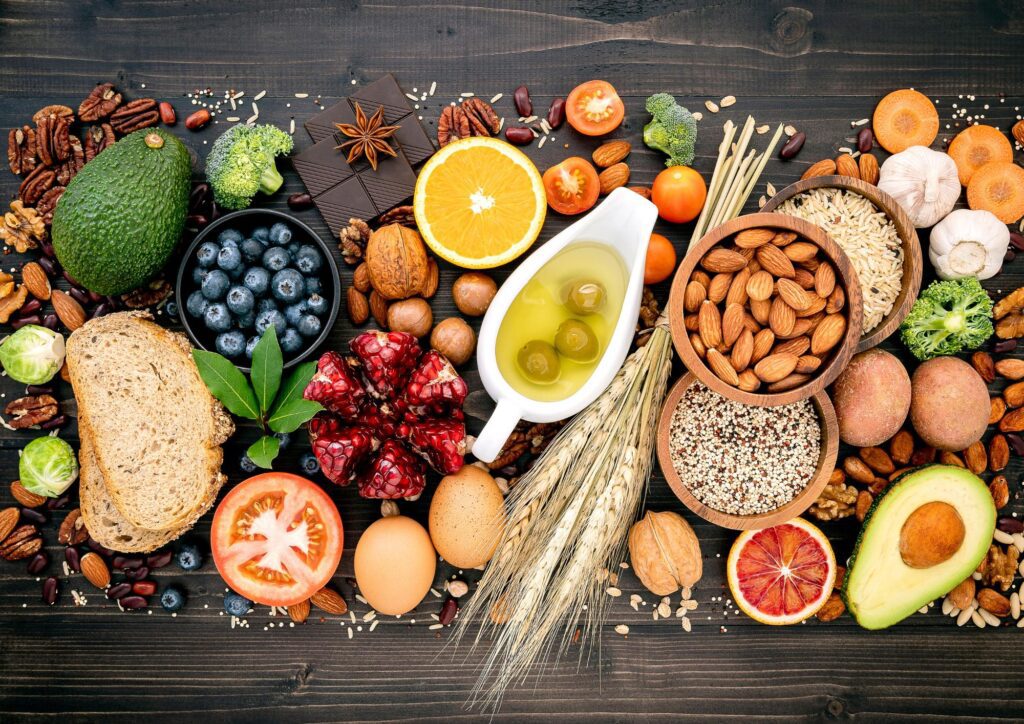
Most Blue Zones eat plant‑based by default. Not strictly vegan or vegetarian — but their meals are built around plants, especially beans, greens, and whole foods. Meat is occasional, not daily.
Coming from a heavy meat‑eating culture, I never imagined I’d become vegan. But I love the idea of simply introducing more plant‑based meals into everyday life. Vegetables can be delicious, filling, and full of protein — and no, you won’t die without meat.
If you’re curious about the research behind this, the book The Blue Zones Kitchen is full of simple, everyday recipes inspired by these regions. It’s one of the easiest ways to start experimenting with Blue Zones eating.
3. Purpose (Ikigai / Plan de Vida)
One of the most powerful lessons from Blue Zones is the importance of having a reason to wake up in the morning. Purpose changes across seasons of life. Motherhood adds meaning, but it doesn’t erase your identity. Your blog, your hobbies, your small joys — these are all part of your ikigai.
I love the idea that purpose doesn’t have to be something huge. It can be as simple as:
- working on a creative project
- going for a walk
- making a nice meal
- reading something inspiring
- learning something new
If you want to explore this idea more deeply, the book Ikigai: The Japanese Secret to a Long and Happy Life is a gentle, beautiful introduction.
4. Social Connections
People in Blue Zones have strong social networks — family, friends, neighbours, community groups. They belong somewhere.
Modern life makes this harder. Moving countries makes it even harder. And motherhood? Harder still. Friendships become monthly instead of weekly. Plans get cancelled. Everyone is tired.
But connection doesn’t have to be big or complicated. A message. A walk. A shared meal. A quick call. These tiny moments add up.
And they matter — not just emotionally, but physically. Loneliness is one of the biggest predictors of poor health later in life.
Why This Matters
Blue Zones aren’t about perfection. They’re about direction.
Small habits. Daily choices. A mindset shift.
Everything starts with the tiny things we do every day — not with dramatic changes or strict rules.
This post is the beginning of a series where I’ll explore each Blue Zone, their habits, and how we can bring a little of their wisdom into our own busy, modern lives.
Blue Zones–Inspired Daily Checklist
🥗 Eat Well
- Include at least one plant‑based meal
- Add beans, greens, or whole grains
- Stop eating when you feel “comfortably satisfied”
- Drink water or herbal tea
🚶♀️ Move Naturally
- Go for a short walk
- Do one “natural movement” task (tidy, garden, stretch)
- Take the stairs or choose a slightly longer route
- Spend a few minutes outside
💛 Purpose + Mindset
- Do one thing that gives you a sense of purpose
- Write down one thing you’re grateful for
- Take one slow, intentional pause
- Ask yourself: “What’s my ikigai today?”
🤝 Connection
- Send a message to someone you care about
- Have a real conversation
- Do one small act of kindness
- Spend device‑free time with your child or partner
😴 Rest + Stress Reduction
- Aim for 7–8 hours of sleep
- Take a short rest or quiet moment
- Limit screens before bed
- Drink something calming in the evening
Resources I Love
(Some links may be affiliate links, which means I may earn a small commission at no extra cost to you.)
- The Blue Zones — Dan Buettner
- The Blue Zones Kitchen — recipes from all five regions
- Ikigai: The Japanese Secret to a Long and Happy Life
- A simple journal for purpose‑finding
- Mediterranean or plant‑based cookbooks







Superb introduction of blue zone