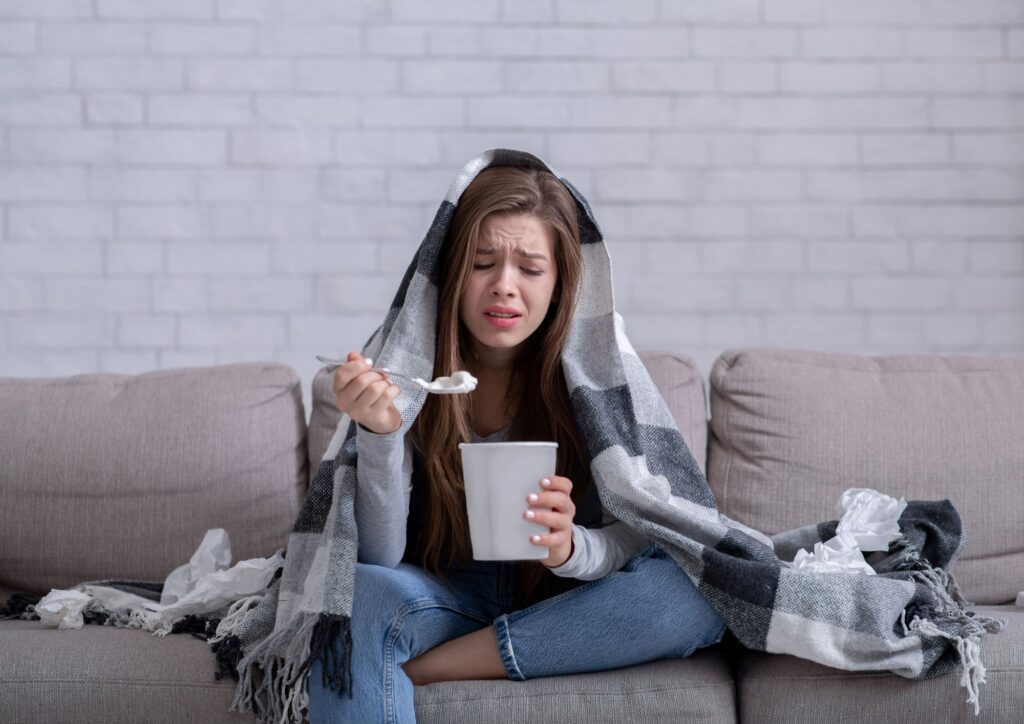
There’s a special kind of exhaustion that comes from having your period while raising a toddler. It’s the kind of tiredness that settles into your bones, the kind that makes you want to melt into the sofa and disappear under a blanket. But toddlers don’t care about your uterus. They don’t slow down. They don’t adjust. They don’t offer sympathy. They just keep going — climbing, jumping, demanding, exploring — like tiny Duracell rabbits.
And so you pull it together, even when your body is doing its monthly thing and all you want is stillness.
One of my coping mechanisms — and I only realised this recently — is watching period dramas during my period. There’s something soothing about slipping into a Jane Austen world when my real-life body feels chaotic. Soft lighting, predictable romance, slow emotional arcs, and absolutely no one asking for snacks every ten minutes. It’s not the main point of this story, but it’s one of the few things that makes my cycle feel a little more bearable. A small escape into a world where women’s biggest challenges are emotional, not physical.
Period Product Choices: How Motherhood Changes Everything
When I was younger, I was a tampon girl. It felt clean, discreet, simple. I didn’t think much about it — you have your period, you deal with it, you move on. Then I shifted toward sustainable options: reusable pads, menstrual cups, period underwear. I loved the cup for years… until I gave birth. After that, my body said absolutely not. I couldn’t tolerate the pressure or suction anymore. It felt intrusive in a way it never had before.
Motherhood changes even the smallest habits — even the way you manage your period.
Now I’m firmly in the reusable pads + period underwear era. It’s softer, gentler, less invasive. And honestly, postpartum bodies deserve gentleness.
If you’re curious about different approaches, here are some explorations:
- Tampons
- Menstrual cups
- Reusable pads
- Period underwear
Period Symptoms: The First Two Days Are a Battlefield
The first 1–2 days of my period have always been brutal. Heavy flow, dizziness, nausea, cravings, cramps that feel like they’re powered by ancient gods. Sometimes I genuinely feel the iron leaving my body. In my twenties, I used to get close to fainting — I needed stronger medication just to stay upright.
And the smell. I know it’s normal, but I swear I can smell blood and wonder if other people can too. It makes me feel unclean even though I’m not. It’s just biology doing its messy, necessary thing.
Periods after childbirth feel different too — heavier, more unpredictable, more intense. It’s like your body is renegotiating its contract with you.
Parenting While on Your Period: The Invisible Marathon
Parenting while on your period is a marathon no one trains you for. Toddlers don’t understand “Mama’s body hurts today.” They don’t slow down. They don’t adjust. They don’t offer sympathy. They just keep going.
And you still have to:
- Cook
- Clean
- Soothe
- Entertain
- Be emotionally present
- Prevent them from climbing onto the dining table
- And occasionally stop them from licking the window
It’s relentless.
I try to rest when I can — when I’m working from home, when he naps, or occasionally when my husband takes over. Those pockets of rest feel like oxygen. They’re tiny, but they matter.
Periods and Workplace Culture: The Reality No One Mentions
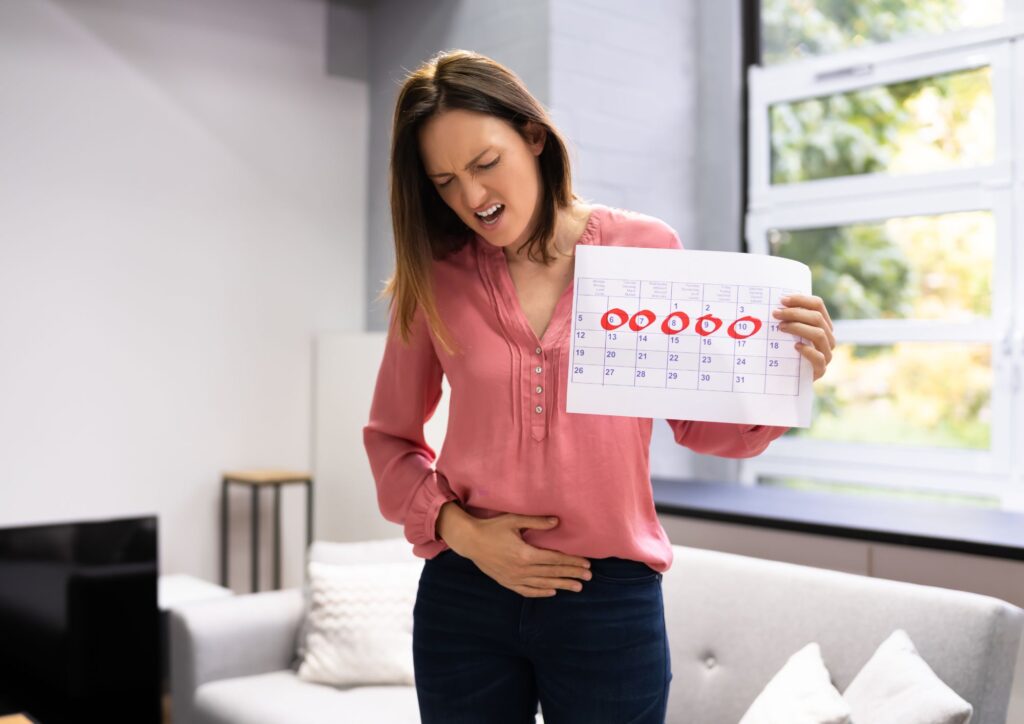
Before remote work, the first few days of my period were a nightmare. I’d either push through — pale, sweaty, pretending I was fine — or I’d take leave because I simply couldn’t function. Sitting at a desk with cramps that feel like your uterus is trying to escape your body is not “professional,” but that’s what we were expected to do.
Now I work from home. I can sit on the couch or lie in bed with my laptop. I can wear soft clothes, use a hot water bottle, take breaks, breathe. It’s not perfect, but it’s more humane. And honestly, it makes life bearable.
When Men Comment on Periods: The Blood-Boiling Moments
My other favourite (read: least favourite) thing is when men comment on how women “handle” their periods. The jokes, the teasing, the “red days” comments — it makes women’s blood boil faster than prostaglandins.
One of my husband’s friends once said women who take painkillers during their period are “weak,” because “back in the day women were stronger.” I had to bite my tongue. Back in the day, women also:
- Worked in fields
- Carried water
- Did physical labour
- Had multiple pregnancies
- Had no pain relief
- Had no remote work
- Had no support
Meanwhile, this man has never fought in a war, never worked in a field, probably never been to a gym, and works from home. The irony writes itself.
And then there’s the classic: “Men have to endure women on their period — it’s basically the same.”
No. It’s not.
Gender Inequality in Work: A Lifetime of Being “Less Desired”
When I was in my twenties, I read an article about women in the workforce. It said the hardest times for women are:
- Starting out young
- Right before pregnancy
- After returning from maternity leave
- Around age 50
I remember thinking: So basically… almost my entire career, I’m less desired than a man?
And probably paid less for the same job.
It’s wild how normalized this is. How quietly we accept it. How deeply it shapes our sense of worth. And how much harder it makes everything — including periods. Because when you’re already fighting for space, respect, and equal pay, your cycle becomes one more thing you have to hide.
Why Women Live Longer: The Endurance Theory
Sometimes I wonder if men live shorter lives simply because they’re riskier. They do stupid things, get hurt, push limits, ignore danger. You can see it from childhood — the climbing, the jumping, the “I bet I can do this” energy.
Meanwhile, women are dealing with monthly cycles, pregnancies, birth, postpartum recovery, emotional labour, household management, and still living longer. Maybe endurance is our superpower. Maybe longevity is the prize for surviving everything our bodies put us through.
Period Hacks That Actually Help
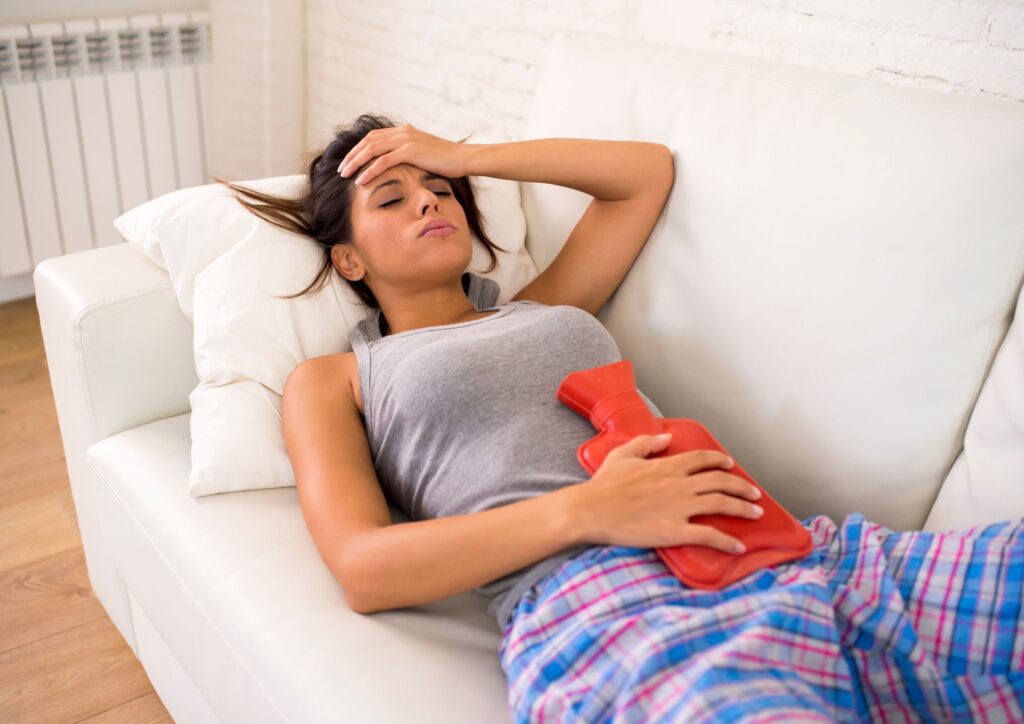
Here are the things that make my period more bearable:
- Hot water bottle
- Medication
- Warm showers
- Gentle movement
- Soft clothes
- Chocolate
- Fruit
- Lowered expectations
- Rest whenever possible
And yes — sticking to a diet during your period is nearly impossible. Your hormones are all over the place, your cravings spike, and your body is literally shedding tissue. Men generally don’t understand this. They think it’s “just a craving,” not a full-body hormonal event.
The Truth Beneath It All
Being a woman is beautiful, powerful, magical — and also exhausting. Our bodies carry so much. They change constantly. They demand attention. They interrupt life. They create life. They heal. They endure.
And yet, we’re expected to work, smile, perform, parent, and pretend everything is fine.
Maybe this is what womanhood really is — not the romance of Austen, not the elegance of period dramas, but the quiet strength of showing up even when your body is screaming for rest.
If this resonated with you, you might also like The Hidden Identity Shift of Motherhood — a deeper look at why motherhood can make you feel lost, and how you can slowly find yourself again.