
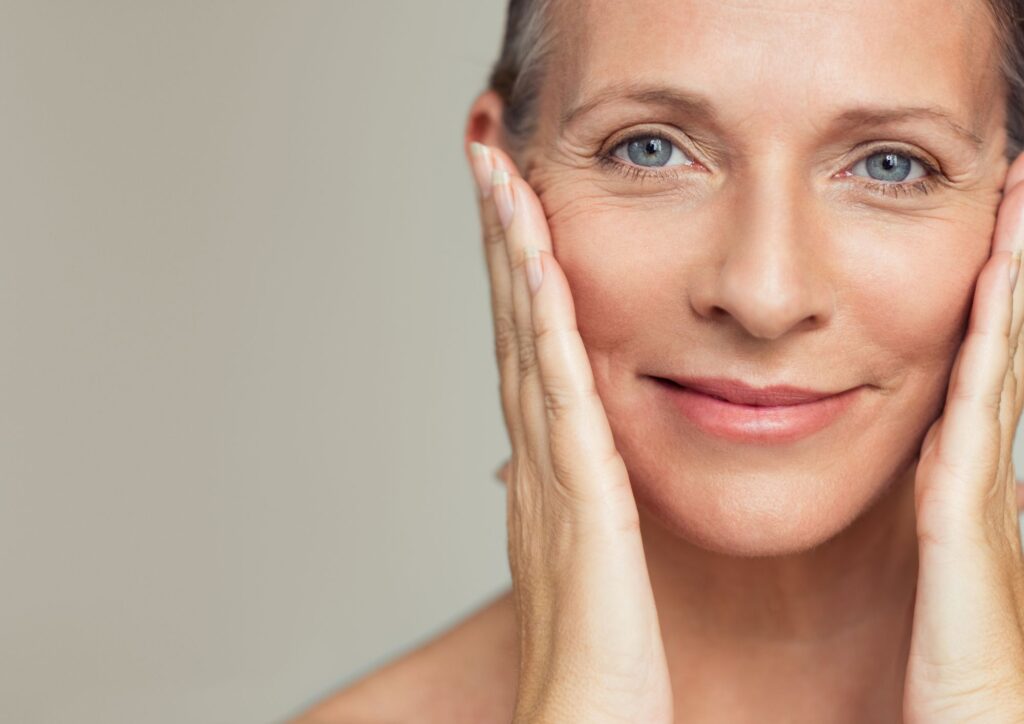
Aging sneaks up on you quietly. One day you’re twenty‑five, feeling invincible, convinced you’ll look like this forever. And then suddenly you’re approaching forty, noticing tiny linAging sneaks up on you quietly. One day you’re twenty‑five, feeling invincible, convinced you’ll look like this forever. And then suddenly you’re approaching forty, noticing tiny lines around your eyes, wondering when exactly your face decided to change without asking permission.
Inside, I still feel young — that sweet spot of early adulthood where life felt light and my skin didn’t fold when I smiled. But then I think about high school being twenty years ago, university fifteen… and reality hits. Time has been moving even when I wasn’t paying attention.
Kids think adults are old. Adults think they’re still young. And somehow both are right.
The First Wrinkle & the Fast‑Forward Button of Motherhood
I don’t even remember when I saw my first wrinkle. It wasn’t dramatic — just a tiny line near my eye — but the disappointment was real. Not because I didn’t expect it, but because a part of me secretly hoped I’d be the exception. I don’t mind wrinkles on other people; some women look even more beautiful with them — softer, wiser, more interesting. But on me? It felt different. More personal.
And motherhood definitely accelerates everything. The sleepless nights, the running on 60% energy, the stressful toddler moments, the constant multitasking — they all leave their mark. Not just physically, but emotionally too. You carry so much: the mental load, the responsibility, the worry, the love. It’s beautiful, but it’s heavy. And sometimes that heaviness settles into your skin.
Maybe that’s why aging feels so intimate. Your face becomes a map of all the places you’ve been — the seasons you’ve lived through, the weight you’ve carried, the love you’ve given. Aging isn’t just biological; it’s deeply personal.
The Origin of Plastic Surgery: A Completely Different Purpose
Before plastic surgery became a beauty industry, it was a medical lifeline.
After World War I and II, surgeons developed reconstructive techniques to help soldiers who returned with severe injuries — missing noses, shattered jaws, burns, disfigurement. The goal was simple:
Restore humanity. Restore identity. Restore dignity.
One of the pioneers was Harold Gillies — a New Zealand surgeon who developed groundbreaking facial reconstruction techniques. His work wasn’t about beauty. It was about giving people their lives back.
Fast‑forward 100 years, and we’ve swung to the opposite extreme. Plastic surgery is now a global beauty market worth billions — not about healing, but about chasing perfection.
The Myth of Eternal Youth
Humans have always been obsessed with eternal youth:
- the Fountain of Youth
- immortal goddesses
- fairytales about staying young forever
- stories where aging is the enemy
Hollywood turned that myth into a lifestyle.
One movie that always comes to mind is Death Becomes Her, with Meryl Streep, Goldie Hawn, and Bruce Willis — a dark comedy about chasing eternal youth through magic potions and extreme transformations. It was satire, but today it feels almost prophetic.
We’re living in a world where eternal youth isn’t a myth anymore — it’s a purchasable product.
Hollywood, Tollywood, and the New Face of Beauty
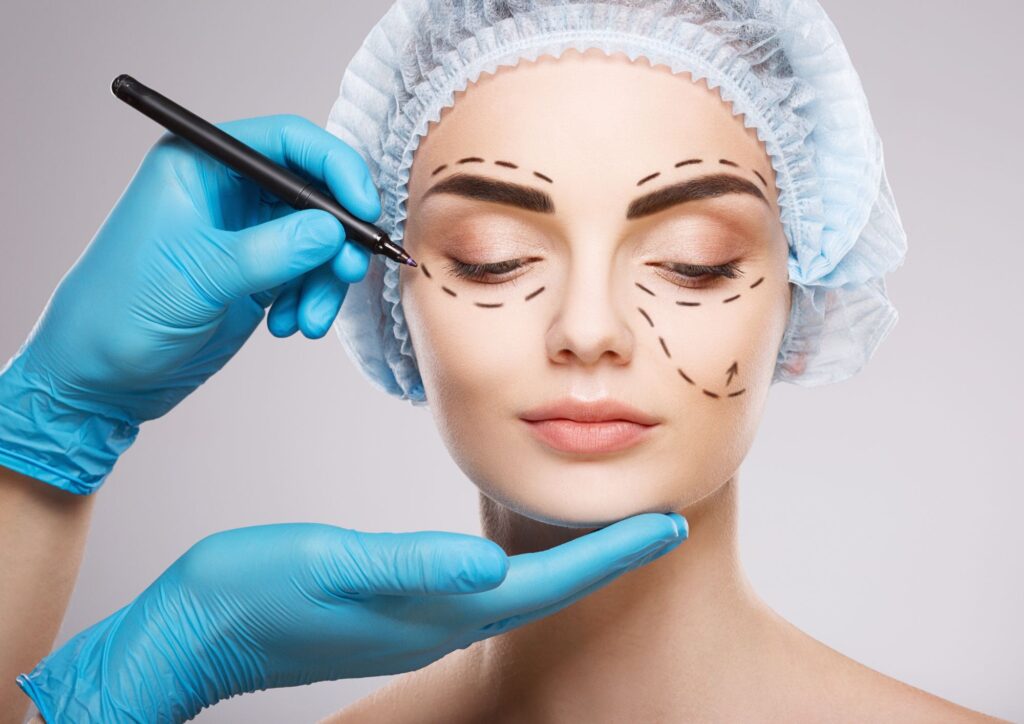
My husband showed me a video recently about celebrity cosmetic procedures. One of his favourite actresses looked completely different from her younger self. That led us down a rabbit hole — comparing before‑and‑after photos, watching breakdowns of surgeries, noticing how many stars have transformed their faces.
Hollywood is full of frozen foreheads, sculpted jaws, cat eyes, inflated lips, and faces that barely move.
Tollywood — the film industry in Hyderabad — is no different. Even male actors undergo full facial reconstruction. They look incredible, but it makes you wonder:
Is beauty now something you can buy? Is aging becoming optional? Is youth becoming a luxury product?
People joke: “I’m not ugly or old… I’m just poor.”
And honestly, that says everything about the world we live in.
The Racial Reality of Aging
This is a sensitive topic, but it’s real: Different races age differently.
Melanin plays a huge role — it protects the skin from sun damage, slows down wrinkle formation, and keeps the skin firmer for longer.
I remember visiting my husband’s relatives. Some of them looked my age — fresh, youthful — and then I found out they were already grandparents. Asian people often look incredibly young too, yet ironically South Korea is one of the top countries for cosmetic procedures. Black people also tend to age slowly, though I haven’t met many personally.
And then there’s white skin — often the first to show signs of aging. Sometimes it feels like we’re cursed with early wrinkles. But maybe it’s just biology, not failure.
Why Aging Feels Different for Women
Aging isn’t equal. Men and women experience it differently — not biologically, but socially.
Men often become “distinguished” as they age. Grey hair, wrinkles, a bit of ruggedness — it’s seen as character, maturity, even attractiveness.
Women, on the other hand, are often told their value is tied to youth. Beauty. Freshness. Blooming. And once you “bloom,” society acts like your best years are behind you.
It creates a quiet anxiety — the feeling that you’re running out of time, that your worth is slipping, that you should have done more, been more confident, lived more boldly before the lines appeared. It’s unfair, but it’s real. And it’s one of the reasons women feel pressured to chase youth more aggressively than men.
When Beauty Becomes a Commodity
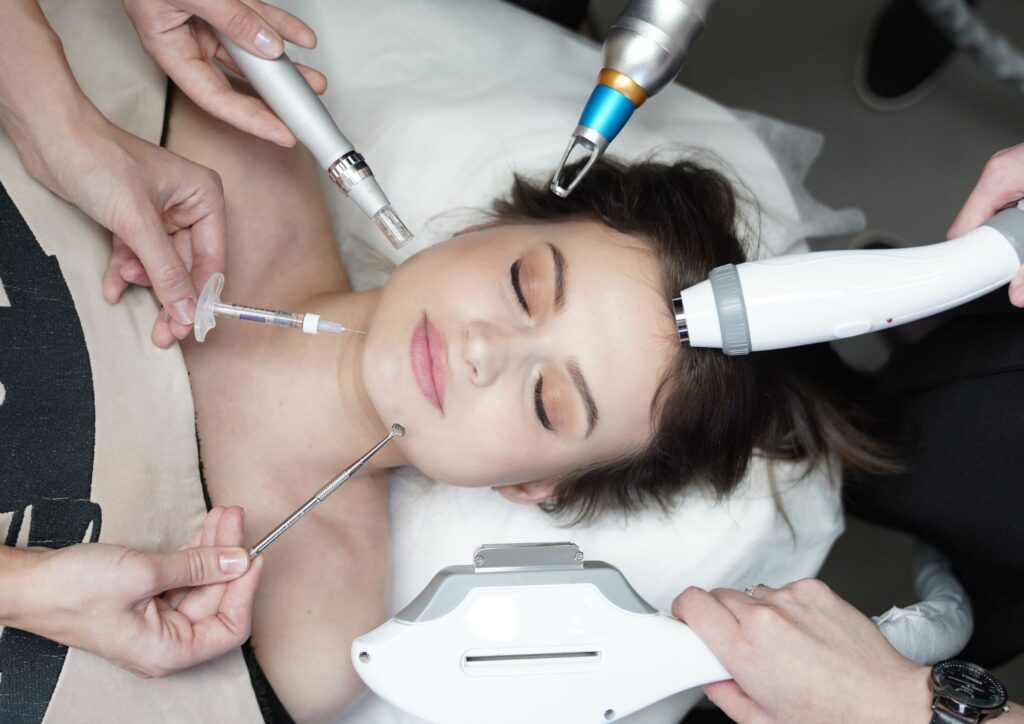
Cosmetic procedures today aren’t just about enhancing features — they’re about chasing an ideal that doesn’t exist naturally.
Some people want:
- almond‑shaped eyes
- sculpted cheekbones
- doll‑like faces
- cat‑like features
- impossibly smooth skin
- bodies that defy biology
And surgeons — some ethical, some not — are willing to deliver.
There are stories of dangerous materials being injected, botched surgeries, cement fillers, infections, permanent damage. Lives changed forever. And yet the accountability is blurry.
Who is responsible when things go too far? Who protects people from unrealistic expectations? Who decides what is ethical?
Sometimes it feels like people are becoming sculptures — shaped by surgeons, trends, and the pressure to stay young.
Europe vs Hollywood: Why I Prefer Real Faces
These days, I prefer watching British or European actors. They look real. Human. Aging naturally. Wrinkles, lines, expressions — all still intact.
Hollywood feels like a museum of wax figures. Who is aging gracefully anymore? The number seems to shrink every year.
Aging as an Emotional Journey
Aging isn’t just physical — it’s emotional.
You grieve your younger self. You grieve the confidence you didn’t have. You grieve the things you didn’t do. You grieve the version of you that felt untouched by time.
But you also grow into someone wiser. Someone softer. Someone stronger. Someone who has lived.
I don’t want to stop aging. I just want to still recognise myself in the mirror.
Aging as a Privilege
A gentle reminder that aging is something not everyone gets to do. Every line, every change, every season is proof that you’re still here — living, growing, becoming.
Recognising Yourself
Aging isn’t about losing who you were. It’s about expanding who you are. You don’t need to erase your face to stay yourself. You just need to honour the story it tells.
A New Kind of Beauty
Maybe aging isn’t about losing beauty. Maybe it’s about finding a new kind of beauty — one rooted in experience, depth, and identity.
A gentle question for you
How do you feel about aging? Does it scare you, empower you, or confuse you? I’d love to hear your thoughts.
How do you feel about aging? Does it scare you, empower you, or confuse you? I’d love to hear your thoughts.
If you liked this post…
You may also enjoy The Hidden Identity Shift of Motherhood — a gentle look at how life changes us in ways we never expect.
You may also like Postpartum Clothes & Mom Style — a gentle look at how motherhood reshapes your identity long before aging does.