
I thought I would be more excited to be here. I imagined this trip as a soft homecoming — walking familiar streets, soaking in memories, feeling that warm rush of “I’m back.” But coming to Budapest as a mum is completely different. I can’t slip into nostalgia the way I used to. I’m not wandering the city as the old me, or even as part of a couple. I’m here as someone’s mother, and that changes everything.
Instead of exhibitions, cafés, and long walks, my days revolve around shade, playgrounds, snacks, and timing naps. I realised quickly that this trip isn’t about me reconnecting with Budapest — it’s about showing Veeru the city that shaped me, even if that means experiencing it in a more practical, less romantic way. It’s a different kind of homecoming, one that’s less dreamy but somehow more real.
Instead of wandering through museums or exhibitions, I’m scanning for benches, water fountains, and places where Veeru can run without melting in the sun. Some touristy places will have to wait — they’re simply not toddler‑friendly, and that’s okay. This season of life asks for practicality over romance.
The Practical Realities of Budapest With a Toddler
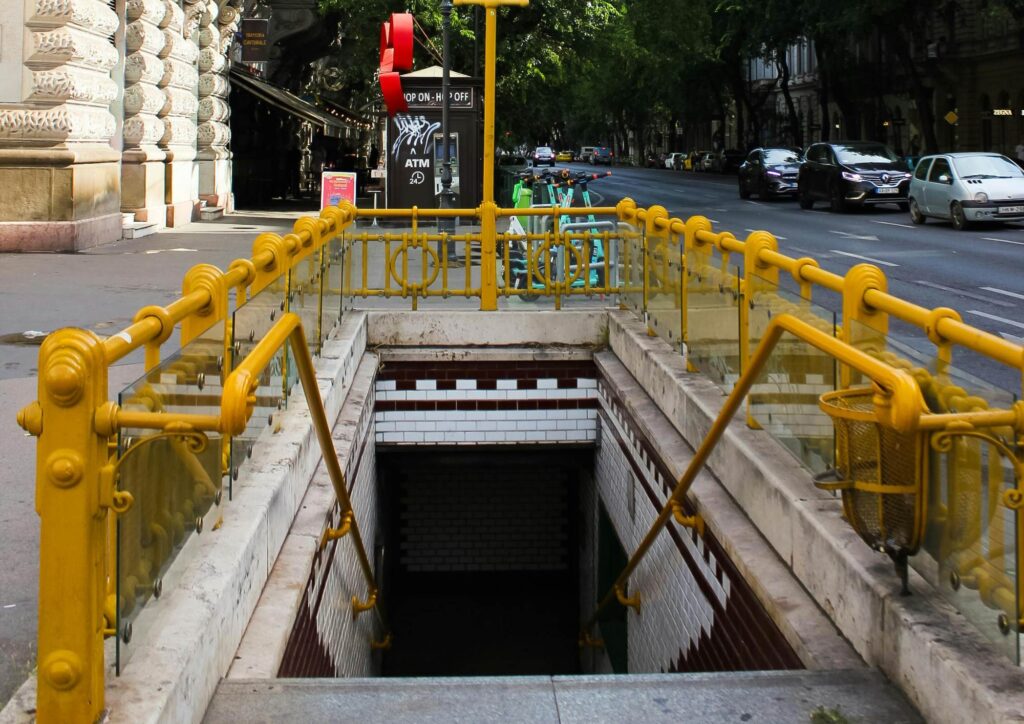
Budapest is beautiful, but it’s not always easy with a pram. There are no elevators in many metro (subway) stations, and some trams still have high stairs. Getting around requires strategy — or a second pair of hands.
Public toilets are rarely free, which is… not ideal when you’re out with a toddler. Honestly, this alone would make me postpone potty training here.
Supermarkets are busy, aisles are narrow, and footpaths are crowded. You need to be mindful of space, timing, and people. But cars usually stop for pedestrians, which feels surprisingly safe. And public transport is fast — dense, yes, but efficient. We almost always get a seat because of Veeru.
The mental load is real. You need to plan ahead or have your partner with you to overcome the obstacles that come with navigating a big, old European city with a small child.
Food Culture + Toddler Logistics
Food is another thing we need to be careful with here. We’re trying new dishes, new flavours, and sometimes Veeru just doesn’t like something — and if we’re in a restaurant, we need to be prepared. By now we’ve found a few reliable snacks he loves, and honestly, that feels like such a relief. We keep them with us everywhere we go, because you never know when hunger will hit… and when you’re out all day, you want to minimise the meltdown window as much as possible.
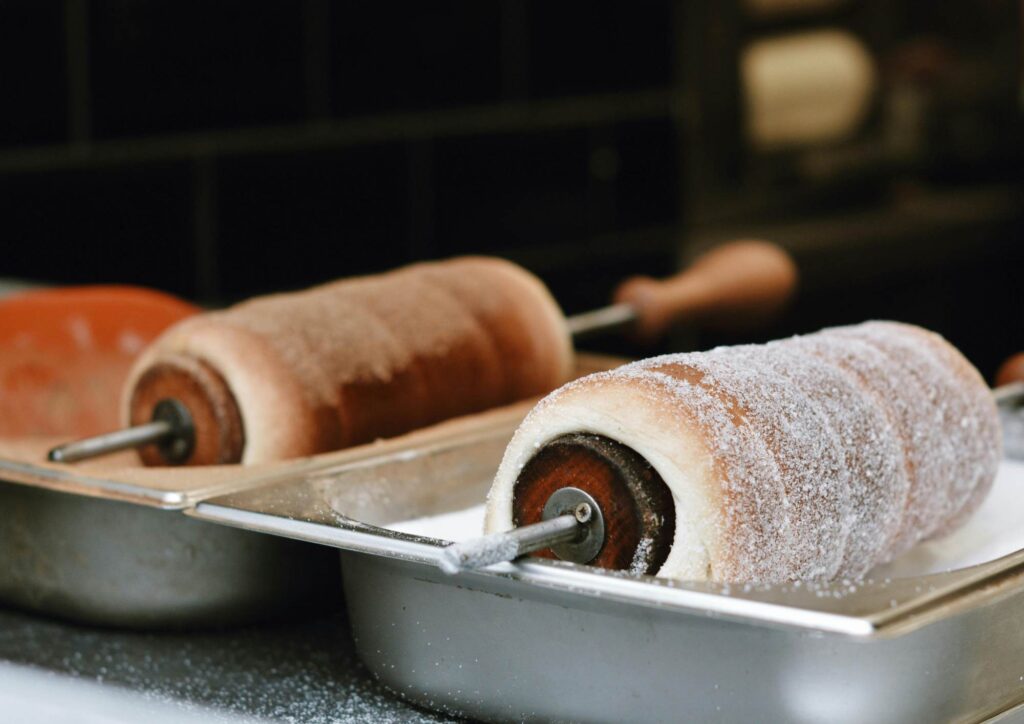
We definitely eat more bread here. Sandwiches, spreads, veggies — simple, nostalgic meals. And pastries are everywhere: pogácsa, kifli, croissants, and so many varieties NZ doesn’t have.
Groceries have become expensive, so we cook more at home. Eating out is fun but adds up quickly.
Food here feels familiar, comforting, and abundant. Food in NZ feels simpler, lighter, and less exciting — but also less tempting.
The Pace and the Sensory Overload
Budapest is alive. Old buildings, trams rattling by, the Danube, the constant movement — it’s stimulating in a way Auckland never is.
And then there’s the sensory familiarity. I missed the smell of Hungarian trees, the way the air changes before rain, the sound of people chatting on the street. I even love overhearing Hungarian again — our window faces a small street, and I find myself smiling at the everyday conversations drifting up.
In New Zealand, our cul‑de‑sac is peaceful, calm… and honestly, a little empty. Life is slower, quieter, more spacious. Budapest is the opposite — fast, dense, full of life.
Both have their charm. Both have their challenges.
Social Interactions: Smiles, Silence, and Crying
People here interact with kids — especially the older generation. Veeru gets smiles, little hellos, waves. It’s sweet and familiar.
But crying? That’s a different story. If your child cries in public, people want you to leave immediately. Younger people and the older generation (the ones who grew up in the “gyerek nem sír” era) can be especially judgmental.
Playground culture is also different. People don’t really talk to each other unless it’s their “local” playground and they know the faces. In bigger parks, everyone stays in their bubble. In smaller neighbourhood parks, it’s the opposite — everyone knows everyone.
In NZ, people chat more casually. There’s less pressure, less judgment, more space — literally and emotionally.
Motherhood Infrastructure: What Each Place Does Well
Hungary has its strengths:
- 2–3 years of parental leave
- Financial support
- Parks everywhere — often multiple within a few minutes’ walk
- Shops and amenities close by
- No need for a car
New Zealand has its own strengths:
- Space
- Calm
- Less sensory overload
- More tolerance for kids being kids
Both places support motherhood — just in very different ways.
The Bittersweet In‑Between
Being here feels exciting — more programs, more things to do, more life happening around you. But it also feels overwhelming.
Being in NZ feels calm — easier, slower, more predictable. But it can also feel empty, quiet, and far away from everything familiar.
I’m learning that I belong to both places and neither fully. Motherhood intensifies this feeling — raising a child between cultures, between languages, between worlds.
It’s beautiful. It’s complicated. It’s mine.

Closing Reflection
Coming back to Budapest as a mum isn’t what I expected. It’s not the emotional, cinematic homecoming I imagined — it’s messier, louder, hotter, more logistical. But it’s also richer. More sensory. More alive. I’m seeing the city through Veeru’s eyes, and through the version of myself who left, grew up, became a mother, and returned.
New Zealand gives me calm. Budapest gives me connection.
And somewhere between the two — between the quiet cul‑de‑sac and the noisy tram, between the empty streets and the crowded playgrounds, between the familiar smells of Hungarian summer and the wide New Zealand sky — I’m figuring out who I am as a mother. And who I’m becoming.
You may also enjoy: Travelling to Sydney With a 16‑Month‑Old — Our Surprisingly Joyful Trip, a detailed look at what family travel really looks like with a toddler.