
The Magic I Didn’t Expect
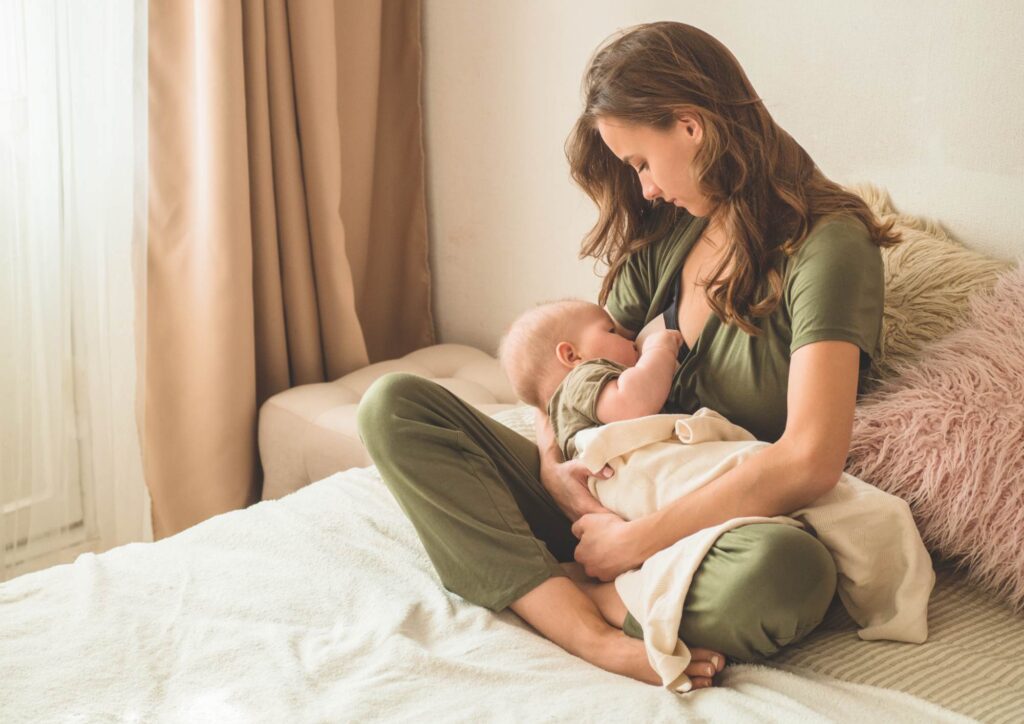
Breastfeeding always felt a little bit like magic to me. The idea that my body — this ordinary body I’ve lived in for years — could suddenly become a source of food, comfort, and safety for my baby still amazes me. It’s not something everyone gets to experience, and I’m always aware of that. But if you have the supply and the chance, it’s worth trying. Not because it’s easy, but because it becomes something quietly extraordinary.
The First Moments: Fragile Beginnings
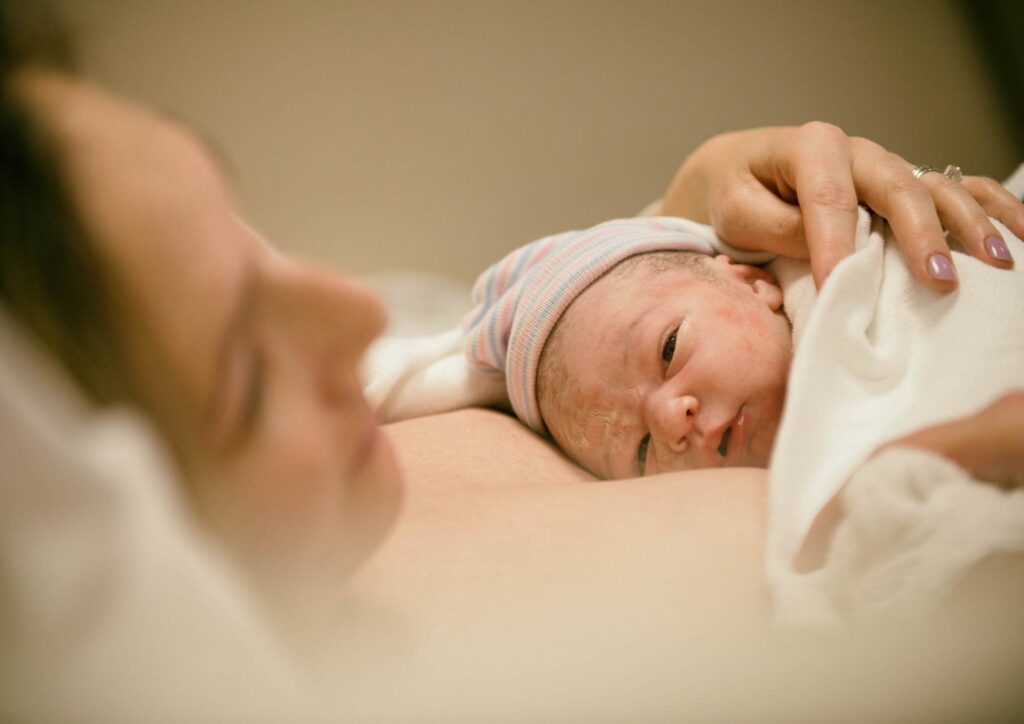
Right after birth, they placed my son on my chest and gently encouraged me to feed him. I didn’t even know how to hold him. He was so tiny, so fragile — like porcelain. I remember thinking, How will he survive with us? How will I know what to do? I tried to guide him to my nipple, but nothing happened. Our very first attempt was a failure. And then, before I could process anything, I was taken for surgery because of the tears. When I woke up, still groggy and stitched, they handed him to me again. He was hungry. I had to feed him straight away. There was no pause, no gentle transition — just immediate responsibility.
The Pain No One Talks About
The cluster feeding began and didn’t stop for two days. He fed constantly, and I felt like I was disappearing into the process. My nipples were bleeding, my skin was raw, and I had to wear nipple shields for the first few weeks just to survive between feeds. He fed every 1–1.5 hours, sometimes every hour. When my neighbour told me she fed her baby every 3–4 hours, I couldn’t imagine it. I felt like I was drowning. Pumping wasn’t even an option — when would I do it? He was always hungry again before I could even think.
What Cluster Feeding Really Is
In those early days, I didn’t even understand what was happening — I didn’t know there was a name for it. Cluster feeding was one of the biggest shocks for me. If you’re a new mum, you might not know what it is — I didn’t. It’s when your newborn wants to feed constantly, sometimes every hour, sometimes every 20–30 minutes. It usually happens in the evenings or during growth spurts, and it can last for hours or even days.
It doesn’t mean you don’t have enough milk. It doesn’t mean something is wrong. It’s simply how babies increase your supply and comfort themselves.
But when you’re in it — exhausted, sore, unsure — it feels endless. My son cluster fed for two days straight after birth, and I remember thinking, I don’t know if I can survive this. But it passed, and my supply adjusted exactly the way his little body needed.
Learning Each Other
But slowly, something shifted. The pain softened. My body learned. He learned. Feeding him became less of a battle and more of a rhythm. A quiet language between us — one without words, just breath, warmth, and trust.
A Helpful Tool for New Mums
In the middle of all this learning and uncertainty, I found myself searching for anything that could help me understand what was normal. In the early days, everything felt new and overwhelming, and I didn’t always know where to turn for support. One thing that helped was an app called BreastFedNZ. It’s not a tracking app — it’s more like a gentle guide for breastfeeding mums in New Zealand. It explains common challenges, positions, latch tips, and what’s normal (and not normal) in those early weeks.
When you’re exhausted, sore, and unsure, having simple, clear information in your pocket can make a big difference. It helped me feel less alone and more confident, especially when I didn’t know what was happening with my body or my baby.
The Sweetness of Contact Naps
During those early contact naps, he would melt into me, his tiny body curled against my chest as if that was the only place he belonged. I didn’t dare move him. He looked too peaceful, too perfect, too safe. Those moments felt like time had stopped — like the world had shrunk to just the two of us.

The Positions That Saved Me
In the early days, I didn’t know how to hold him. Everything felt awkward and new. Over time, I found a few positions that made life easier:
- Semi‑reclined — my favourite in the beginning, especially after birth injuries.
- Side‑lying — a lifesaver during night feeds when I was too exhausted to sit up.
- Cradle hold — once he got bigger and stronger.
These positions didn’t just make feeding easier — they made me feel more confident in my own body again. Every mum finds her own rhythm.
What was your favourite breastfeeding position? I love hearing what worked for others.
The Hidden Cost of Exclusive Breastfeeding
Exclusive breastfeeding is beautiful, but it also means you’re always on the clock. If you need to go somewhere, it becomes a race against time — you have a limited window before he’s hungry again. I lost a lot of independence. My body wasn’t just mine anymore. It was his comfort, his food, his safety. And yet, it was also one of the most meaningful rituals I’ve ever experienced.
Feeding in Public: My Quiet Anxiety
People in New Zealand are generally relaxed about breastfeeding, and most don’t care. But when you come from a more conservative society, it makes a difference. You’re always scanning for a place to feed. I bought a cover, which helped. I used parents’ rooms often. But most of the time, I fed him in the car. It felt private and safe — like a little cocoon where no one could see me. It gave me a sense of security I didn’t realise I needed.

The Long Nights
Nights were the hardest. In the beginning, I would fully wake up every time he cried. I checked my phone constantly to keep myself awake — terrified of falling asleep and crushing him. But after the fourth or fifth wake‑up, my body simply couldn’t fully wake anymore. I started feeding him in the side‑lying position, and sometimes I fell asleep. It wasn’t planned — it was survival. When you’re not working, you can nap during the day. But if you are working, you go to bed at 8 or 9 — a time you never imagined sleeping — because otherwise you won’t survive the next day. Night feeds reshape you in ways you don’t expect.
The Funny, Messy Moments
There were funny moments too. Like the time he pinched my nipple and the milk squirted out like a startled fountain. I felt like a cow. He looked shocked. We both laughed. And as he grew, feeding changed again. At mom group meetings, he used to nurse quietly while I talked, but by three or four months he was too curious. He would unlatch just to stare at someone talking. Then came the gymnastics phase — the kicking, the flipping, the tiny hands exploring my face, my mouth, my nose. Breastfeeding became a gentle little battle, a dance between hunger and curiosity.
Still Breastfeeding, Still Learning
We’re still breastfeeding now. My original plan was to continue until he turned two — the WHO recommendation — but it’s getting harder. He’s attached, conditioned, and he doesn’t want to let it go. Weaning feels bittersweet. I will miss him. And sometimes I wonder — what if he won’t like me as much anymore? Is he ready? Am I ready? Are we ready? Or am I just exhausted? When is the best time? Is there even a best time? I’m so sleep‑deprived, but if he doesn’t transition easily and cries all night, I won’t sleep then either. It’s a tug‑of‑war between my body, my heart, and his needs.
As our breastfeeding journey continued, a new question slowly began to appear in the back of my mind: How will we eventually let this go?

Thinking About Weaning: What I’ve Learned So Far
Weaning feels like a whole new emotional chapter. There are so many methods, and every baby reacts differently.
Here are the ones I’ve learned about:
- Gradual time reduction A friend suggested reducing the feeding time slowly — 8 minutes, then 7, then 6. It took her a few weeks, but it worked gently and without too many tears.
- Dad‑led bedtime Some families find success when the dad takes over bedtime. Because the baby can’t smell the milk, the association breaks more easily. It’s still hard — the first night can be intense — but usually the second night is better, and by the third it improves dramatically.
- Dad taking the whole night shift Some sources suggest that for night weaning, the dad handles all wake‑ups for a few nights. It’s not the cry‑it‑out method — the baby isn’t alone. He’s held, comforted, and supported, just without the milk.
- Picture books like “Bye‑Bye Booby Moon” I even bought a book called Bye‑Bye Booby Moon — a gentle story you read at night to help your toddler understand the idea of letting go. It turns weaning into a little ritual, something they can emotionally prepare for.
I’m still figuring out what will work for us. Weaning feels bittersweet — part relief, part grief, part fear of change. But like everything in motherhood, we’ll learn together.
If you’re a new mum reading this, I hope you know that whatever your journey looks like — long, short, mixed, messy, magical — you’re doing an incredible job. Breastfeeding is not a measure of love. The bond comes from you, not the milk.
What This Journey Taught Me
Through all of it — the pain, the learning, the laughter, the long nights, the anxieties, the closeness — breastfeeding changed me. It softened me. It stretched me. It taught me patience, surrender, and a kind of love I didn’t know my body could hold. It wasn’t perfect, and it wasn’t always easy, but it was ours. And it was magical in a way I’ll never forget.
If you’re navigating your own transformation in motherhood, you might also like my post about the identity shift that happens after becoming a mum.