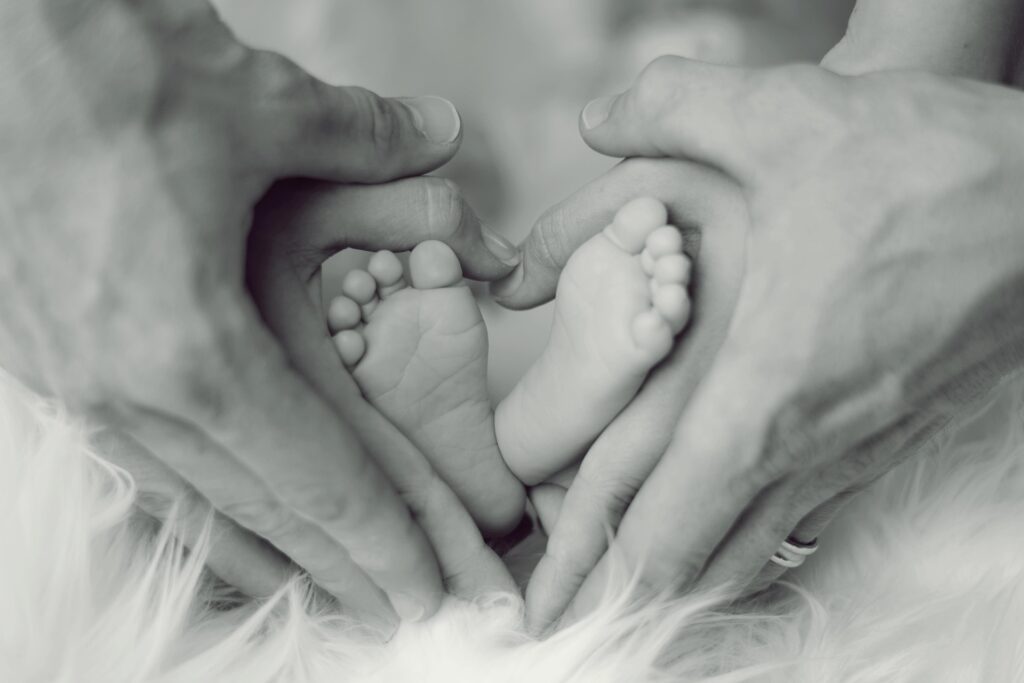

Photo by FG Trade via Canva
I went into labour believing I was prepared. I had done everything “right”: prenatal yoga, daily walks, swimming, perineal massage, antenatal classes, and hours of positive birth affirmations.
By the time labour finally began, I was very overdue. People kept asking me, “So when are you due?” and I had to say, “Last Saturday.” The look on their faces was priceless — a mix of shock, sympathy, and mild panic.
I was actually booked for an induction on Thursday, but my water broke on Wednesday, as if my body suddenly remembered it had a job to do. I wasn’t afraid of labour; I always told people it was “just one day.” What scared me more was everything that came after.
But nothing prepared me for the reality of giving birth. And in my case, it wasn’t “just one day.” It was almost 48 hours.
When labour started… and stopped… and started again
In the last weeks of pregnancy, I kept having contractions that would build up and then disappear. My midwife gave me drops to help keep things going if they faded again. On Tuesday afternoon, contractions started once more. Determined not to lose momentum, I took the drops that evening — which meant a whole night of pain and zero sleep. And then, in the morning, everything stopped again.
I remember thinking, Fine. I’ll eat breakfast and go to sleep. I sat down on a dining chair and — bum. My water broke. Not the dramatic movie-style splash, but a warm, constant flow that went on for hours. I went through so many postpartum pads before the baby even arrived.
The calm before the storm
My husband stayed home, and I messaged my midwife. The morning was surprisingly peaceful. I baked, cooked, watched movies — I think we had La La Land on. I wore a TENS machine, which felt like a tiny massage on my back. For a while, it was manageable.
But by afternoon, the pain in my lower back became intense. My midwife and her intern arrived, and the three of them chatted while massaging my back. Sometimes the chatting annoyed me — I was exhausted and in pain — but I also understood there wasn’t much else they could do except wait with me.
The hospital that stopped everything
By evening, we headed to the hospital. It was raining like crazy — the kind of rain that feels like the sky is falling. That ten‑minute drive felt endless. I also didn’t want to give birth in the car, though I was nowhere near that point.
The moment we arrived, everything slowed down. The hospital wasn’t ready for us, so we were squeezed into a tiny room that barely fit the four of us. It didn’t feel homely or safe. I understand now why midwives tell you to stay home as long as possible — the environment can completely stall labour. And it did.
Hours passed. I was exhausted. Everyone was exhausted.
The reality of labour vs what I imagined
I had wanted a water birth. It was part of my plan, part of the calm, natural experience I had pictured for months. But the water has to stay around 37 degrees, and at that temperature you need to hydrate constantly. I already felt hot and a bit dehydrated, even though my husband kept handing me drinks — even coconut water — every few minutes. I just couldn’t keep up. The idea of sitting in warm water for hours suddenly didn’t feel soothing at all. It felt impossible.
And the birthing positions… honestly, nothing like the movies. In films, women lie half‑reclined on a bed, maybe holding someone’s hand dramatically. In real life, there are so many positions — on all fours, standing and leaning forward, kneeling with one leg up, squatting, side‑lying. It’s physical work. It’s movement. It’s trying to find a position that doesn’t make you want to scream. I remember thinking how misleading movie births are. They make it look like you just lie there and push. In reality, it’s a full‑body workout while you’re exhausted, in pain, and running on adrenaline.
I didn’t have an epidural — not because I was trying to be a hero, but because the people around me felt it might not be the best option at that stage. When I finally asked about it, after more than 40 hours of contractions, they explained that I could have one, but it would likely slow everything down even more. At that point, I just wanted the whole process to end, so I chose not to take it.
I used a TENS machine for most of my labour, and I tried a bit of laughing gas, but I don’t think it did anything for me. The only effect I noticed was a painfully dry mouth, so after an hour I stopped using it completely. It felt like every tool I had prepared for either didn’t work or wasn’t right for the moment.
Losing dignity, losing control
I’m a conservative person. I don’t like being naked in front of people. But during labour, dignity disappears. By the end, so many people had seen my lower half that I stopped caring. I was too tired to care.
We had a birth plan. I wanted a natural birth — which is strongly encouraged in New Zealand — and ideally a water birth. I had prepared for that. I had imagined that.
But birth doesn’t care about your plans.
Pushing for hours
My baby didn’t want to come. Or maybe he wasn’t ready. Or maybe I wasn’t. His head was big, and he kept trying to come out with his hand next to his face. He got stuck for hours.
I pushed for 6–8 hours. I was beyond exhausted. Nothing worked.
The episiotomy I wanted to avoid
Eventually, they told me I needed an episiotomy. I didn’t want it. I had done everything to avoid it. But they said if I didn’t take it, things could get worse.
They used the scissors. I felt a burning sensation. And then — two seconds later — he was out.
I was shocked. Tired. Numb. My husband cried with happiness and relief. I felt nothing. And I wondered what was wrong with me.
The golden hour I didn’t really get
After giving birth, they placed my baby on my chest — the moment people call the “golden hour.” It’s supposed to be this magical, bonding time where everything melts away and you feel nothing but love.
But after about five minutes, they told me something was wrong and that they needed to check the extent of the tear. I felt robbed in some ways, like this moment I had imagined for months was suddenly cut short. At the same time, I was so numb and so unbelievably tired that I couldn’t fully process what was happening. I wanted to feel something — joy, relief, connection — but my body and mind were completely overwhelmed.
The bad news
Five minutes later, they told me I had a third‑degree tear and needed to go to theatre immediately. They said the repair would be quick — around 15 minutes — and gave me two options: stay awake with a spinal block, or go under general anaesthesia.
But once they took me into theatre, it turned out the tear was worse than they first thought. It was actually a fourth‑degree tear, and the repair ended up taking an hour and a half.
I chose to sleep. I hadn’t slept in 48 hours, and the idea of being awake during surgery felt unbearable. I didn’t realise I wouldn’t get much sleep afterward either.
Looking back
Looking back, I used to think birth was just one day. But for me, it didn’t end when my baby was born. It stayed with me — in my body, in my mind, in ways I didn’t expect.
Every birth story is different, and mine definitely didn’t go the way I imagined. If you’ve given birth, I’d love to hear your experience. Did things go as planned, or did your story take a completely different turn?
To understand how this long labour shaped my postpartum mental health, you can continue reading in my next post: The Hidden Side of Birth Trauma: Recovery, Anxiety, and Isolation.
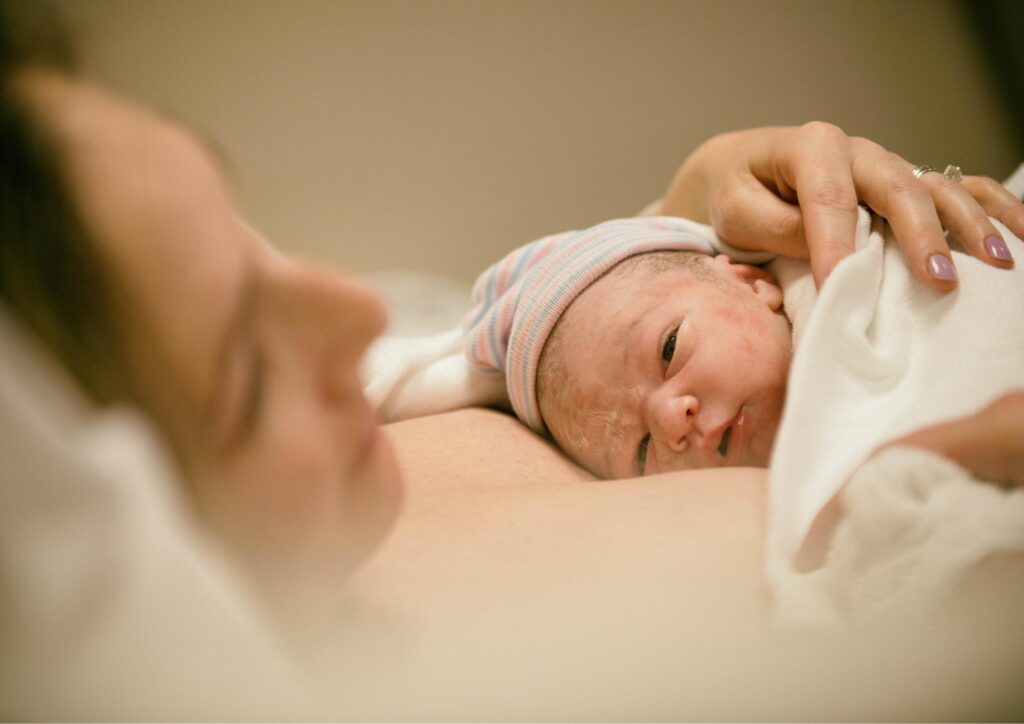
Photo by vernonwiley via Canva