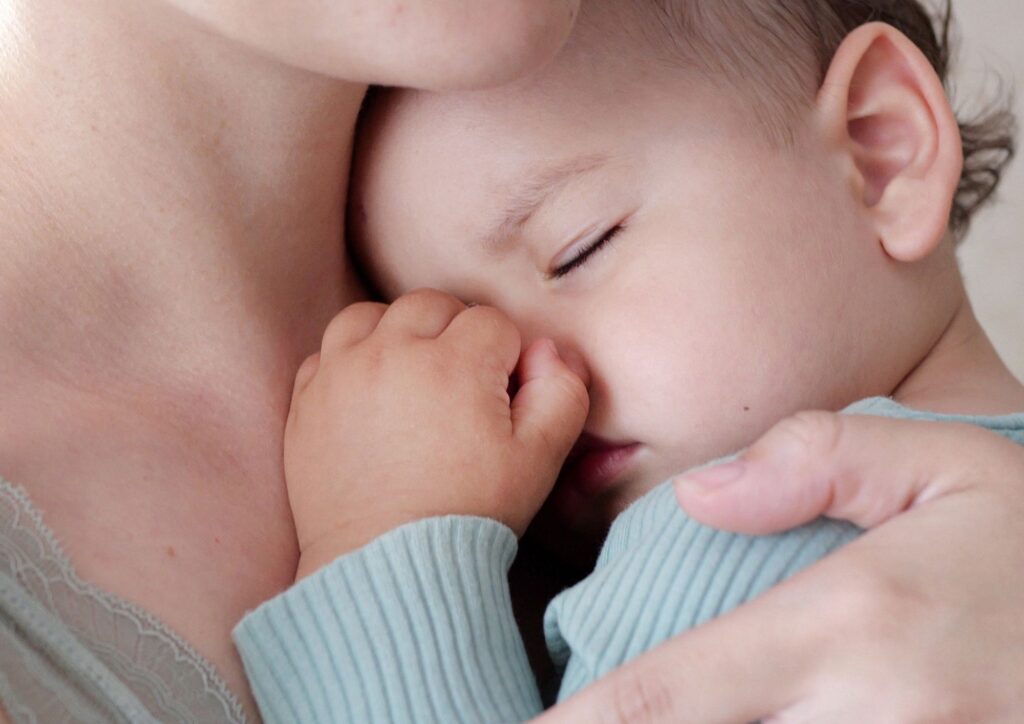
When I first started breastfeeding, I never imagined that my journey would last over two years.
Like many new mothers, I had heard about the World Health Organization’s recommendation to continue breastfeeding up to two years and beyond if desired, but in the early days that felt impossibly far away. To be honest, when my son was around 18 months old, I started doubting whether I could continue for that long.
Yet somehow, one feed at a time, one day at a time, we made it there.
What I didn’t expect was that stopping breastfeeding would be almost as emotional as starting it.
Every Child’s Weaning Journey Looks Different
Throughout those two years, I listened to countless stories from other parents.
Some children naturally lost interest and gradually weaned themselves. Some mothers became pregnant again and their milk supply dropped. Others successfully reduced feeding sessions minute by minute, from eight minutes to seven, then six, and eventually none at all.
I quickly realized those approaches weren’t going to work for us.
My baby, or more accurately my toddler, seemed to want breastfeeding more as he got older, not less. Unlatching him became increasingly difficult. The idea of reducing feeds by a minute here and there felt unrealistic.
At one point, I read that some children naturally wean themselves somewhere between the ages of two and seven.
Seven.
I immediately imagined myself still breastfeeding a primary school-aged child. A few scenes from Game of Thrones may have crossed my mind.
That was the moment I realized I probably needed to take a more active role in the process.
Deciding It Was Time
The decision wasn’t sudden.
In fact, we had been talking about it for quite a while. There were always reasons to postpone it: travel plans, illness, separation anxiety, difficult weeks, disrupted routines.
Every time we considered starting, something happened that made us think, “Maybe not yet.”
But eventually, I began to feel that the timing would never feel perfect. I also knew I couldn’t do it alone. I needed my husband’s support.
We decided to try gentle weaning.
Gentle doesn’t mean completely tear-free. There were still some tears along the way, but our goal was not to leave our son alone with those feelings. We wanted to comfort him, reassure him, and help him through the transition.
The Day Feed

We started with the easiest feed of the day.
For a week after daycare, we deliberately went somewhere instead of immediately returning home. We visited playgrounds, went for walks, or simply stayed out a little longer.
At home, breastfeeding had become part of our routine. Outside, there were distractions, new things to explore, and less focus on what was missing.
To my surprise, this stage went relatively smoothly.
Sometimes changing the environment is enough to change the habit.
The Morning Feed
The next feed was harder.
I hadn’t realized how much I loved our morning routine until I started preparing to let it go.
My son would wake up sleepy, cuddle in close, and nurse while we both slowly adjusted to the day.
It wasn’t just feeding.
It was a transition.
A quiet moment before emails, daycare drop-offs, work, errands, and all the chaos of everyday life.
When that feed disappeared, I realized I wasn’t only saying goodbye to breastfeeding. I was saying goodbye to a little ritual that belonged only to us.
These days there is no slow wake-up session. The day begins immediately.
And if you’re a parent of a toddler, you know exactly what I mean.
The Night Feed
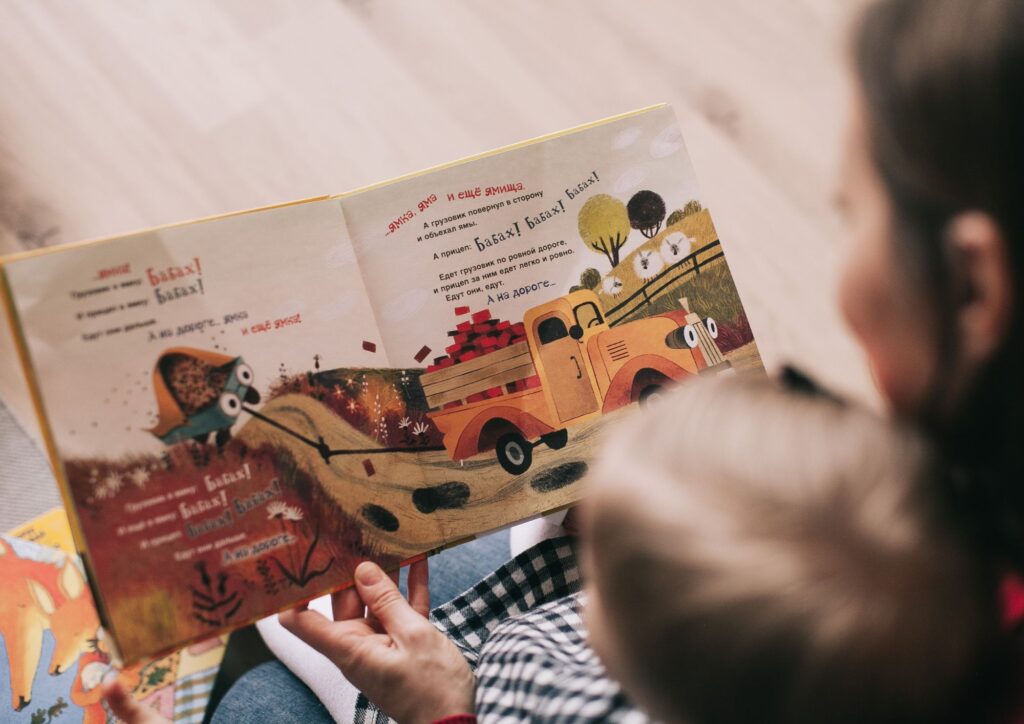
The night feed was the one I feared most.
Breastfeeding had become such an important part of bedtime that I genuinely wondered how we would manage without it.
To help with the transition, my husband started putting our son to sleep for several weeks. We wanted our toddler to feel completely comfortable with him before removing the final feed.
Then came the big change.
For the first time in over two years, my husband handled bedtime and stayed with him through the night while I slept alone.
Sleeping alone was both a bliss and a curse.
Part of me loved having space again.
Part of me missed my little companion.
The first night went much better than I expected. There were about fifteen minutes of tears, some comforting from Dad, and then he settled.
The second night was much harder.
The crying lasted longer.
I remember lying awake, desperately wanting to go into the room. Every instinct told me to fix it.
But I also knew that my husband was with him, comforting him, loving him, and helping him through it.
Eventually the crying stopped.
Unfortunately, by then I couldn’t sleep anymore.
A Small Victory
A few nights later my husband had a football match, which meant I had to handle bedtime myself.
I was nervous.
Very nervous.
My son was understandably confused. Mum was here, but Mum wasn’t providing his usual comfort.
After a few minutes of frustration, something unexpected happened.
He accepted it.
He showed me books.
He cuddled up.
When he started feeling sleepy, he rolled around the bed searching for the perfect sleeping position.
The entire process took forever, but eventually he fell asleep.
I felt ridiculously proud.
Not because it was easy, but because we had done it.
We were creating a new routine together.
The Physical Side of Weaning
I had spent so much time thinking about my toddler’s emotions that I hadn’t fully prepared for my own body’s reaction.
As feeds disappeared, my body was still producing milk.
There was breast fullness, tenderness, discomfort, and occasionally pain.
One breast seemed particularly stubborn and didn’t adjust as quickly as the other. I found myself massaging it regularly to relieve the pressure and encourage the trapped milk to move through.
Looking back, I probably should have started paying more attention to that side earlier.
The physical side of weaning can be surprisingly challenging. Engorgement, clogged ducts, leaking, hormonal fluctuations, and breast discomfort are all things many mothers experience while their bodies slowly learn that the milk is no longer needed.
In my case, it was a reminder that weaning isn’t just an emotional transition.
It’s a physical one too.
A quick note: If you develop a persistent lump, increasing redness, significant pain, fever, or flu-like symptoms, it’s worth speaking with a healthcare professional or lactation consultant, as these can sometimes be signs of a blocked duct or mastitis.
Grief and Relief Can Exist Together
One thing nobody really told me was that grief and relief can coexist.
I miss breastfeeding.
Not every part of it, of course.
My son was not always the easiest customer.
There were moments of pinching, kicking, squirming, pulling, and occasionally treating me like an all-you-can-eat buffet that had suddenly become inconvenient.
Sometimes he would finish and immediately run off, as if to say, “Thanks, Mum. That will be all.”
But despite all that, I miss it.
I miss holding him close.
I miss those quiet moments when the rest of the world disappeared for a few minutes.
At the same time, I appreciate the freedom.
The longer stretches of sleep.
Having more ownership over my body again.
Being able to sleep by myself.
Feeling like another chapter of motherhood is beginning.
The Fear I Didn’t Want to Admit
Perhaps the hardest thing to admit is that somewhere deep down, I worried our relationship would change.
I worried he would need me less.
I worried he would love me less.
Looking back, I know that sounds irrational.
But when something has connected you and your child for over two years, it can be hard to separate the act of breastfeeding from the bond itself.
What I am slowly realizing is that the bond was never built on milk alone.
He still asks for me.
He still wants cuddles.
He still shouts “Mama.”
He still wants comfort when he’s upset.
The relationship is still there.
It’s just taking a different shape.
Moving Into the Next Chapter
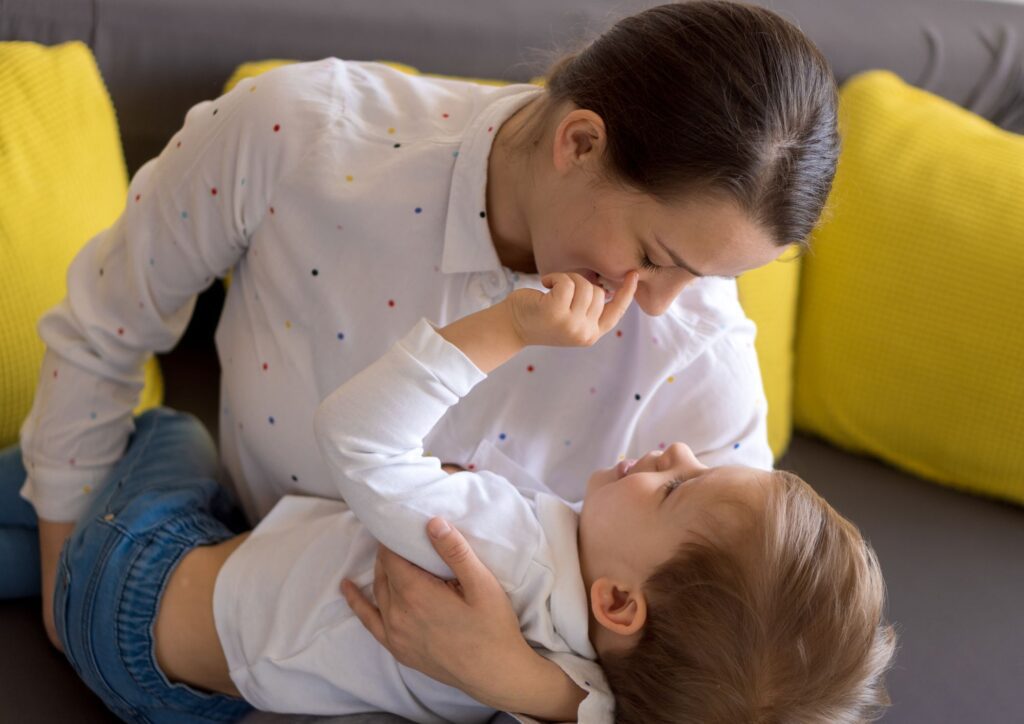
Breastfeeding was one of the most beautiful, challenging, exhausting, comforting, demanding, and rewarding parts of my early motherhood journey.
And now it’s ending.
There is sadness in that.
There is relief in that.
There is pride in that too.
Most of all, there is gratitude.
For over two years, my body nourished my son.
Now we’re learning a new way to be together.
One bedtime story.
One sleepy cuddle.
One hug at a time.
And maybe that’s what weaning really is.
Not the end of a relationship.
Just the beginning of its next chapter. 💜
Looking back, it’s hard to believe how far we’ve come. From the early newborn days to breastfeeding a determined toddler, the journey lasted much longer than I ever imagined. If you’d like to read about the beginning of our experience, including the challenges, surprises, and lessons I learned along the way, you can find it in My Honest Breastfeeding Journey: The Pain, The Magic, The Bond.