The Quiet Trap of Modern Work
There’s a moment in adulthood when you realise you’re no longer living your life — you’re maintaining it. You wake up one day and understand you’ve entered the rat race, not because you chose it, but because life quietly pushed you into it while you weren’t looking. It’s subtle at first, almost invisible, until suddenly you’re running a race you never signed up for.
What People Mean When They Say “Rat Race”
The rat race is that endless cycle of work–earn–spend–repeat that feels more like survival than living. It’s running fast but going nowhere. It’s competing for things you don’t actually want. It’s trading your time for responsibilities you didn’t consciously choose. It’s the feeling of being trapped in a system where the reward rarely matches the sacrifice.
People use the term when they feel stuck, drained, or disconnected from their own life. It’s the moment you realise your days are shaped by deadlines, commutes, bills, and expectations — not by your own desires. And once you’re in it, it’s incredibly hard to step out.
The First Office Job: Where the Illusion Breaks
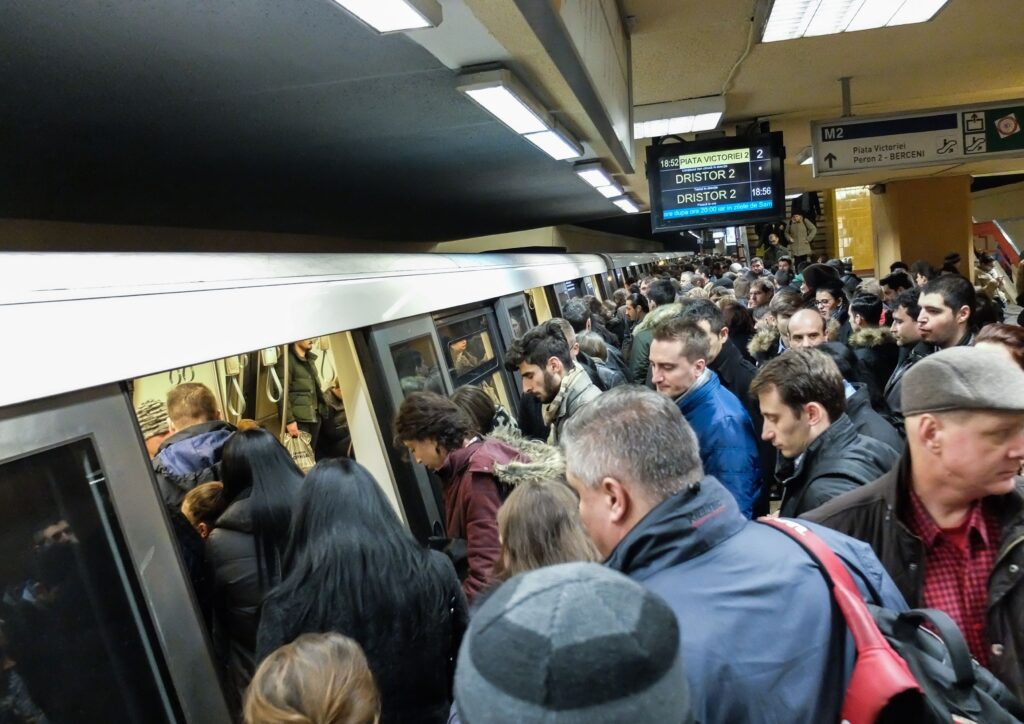
I remember my first office job many years ago — the “respectable” job everyone said I should be proud of. A degree, an office, a salary. The dream, apparently.
Except it wasn’t.
I felt unfulfilled, drained, and tired before lunchtime. I counted down the hours from the moment I walked in. And everyone around me was doing the same. Monday conversations were always about the weekend — what you did, what you’re planning to do, how long until Friday. It was like the entire building was collectively holding its breath until Saturday.
Two days of leisure for five days of suffering. Is that really a good trade-off?
Weekends became oxygen. Public holidays felt like miracles. Vacations were the only time people looked genuinely alive. It was as if joy only existed outside the office walls.
When Work Becomes Your Identity
In some places, the rat race is even harsher. Workdays stretch to 12 hours. People work every second Saturday. No one leaves until the boss leaves. Vacations are seen as weakness. And losing your job feels like losing your identity — sometimes with tragic consequences.
That’s one extreme. The kind that makes you question how humans are meant to function under constant pressure.
When Your Skills Aren’t Yours Anymore

Another part of the rat race is how your skills get used — or misused. You might have talents you want to grow, passions you want to explore, areas you want to improve… but companies often use you wherever they need you, not where you want to be.
You get tasks you have no desire to do. Your real skills get overlooked or squashed. Your potential gets shaped by someone else’s priorities.
Even if you earn more money or become a manager, you’re still working for someone else. And promotion often means more responsibility, more pressure, more hours, more sacrifice. It’s rarely the freedom people imagine — often it’s just a shinier cage.
The Weight of Responsibility
And once you have responsibilities — a mortgage, a child, a family depending on you — the rat race tightens. You can’t just quit. You can’t walk away. You can’t take risks the way you once could. You have to pull yourself together even when every part of you wants out.
I often think about how different life felt before these responsibilities. How much freedom we had without realising it. How many opportunities we could have taken. How much easier it would have been to start a business, buy a business, or try something bold. But life doesn’t wait for you to be ready. It moves forward, and you move with it.
Was It Worth It?
Sometimes I think it would be fascinating to talk to retired people and ask them honestly: Was it worth it?
Did the decades of commuting, deadlines, stress, and sacrifice lead to a life they’re proud of? Or do they wish they had done things differently?
We rarely ask ourselves what we get out of this system. We’re trained to be givers — loyal, hardworking, flexible — while companies are takers. But why don’t we ever ask what benefits we can use? Why do so many of us feel guilty for using what’s available to us?
If something is offered, why shouldn’t you take it? Why shouldn’t you protect your own wellbeing?
Escaping the Rat Race — Or Just Entering Another One?
Most of us dream of escaping the rat race entirely. Living for our own goals. Waking up with purpose. Not waiting for Friday to feel human again.
But I also wonder: Is it actually possible to leave the rat race? Or do you just enter another race — the business race, the hustle race, the “be your own boss but work even more” race?
Entrepreneurship is often romanticised, but it comes with its own pressures. Your time is still not fully yours. Your responsibilities might even grow. You might escape one cage only to build another.
Is This Modern Slavery?
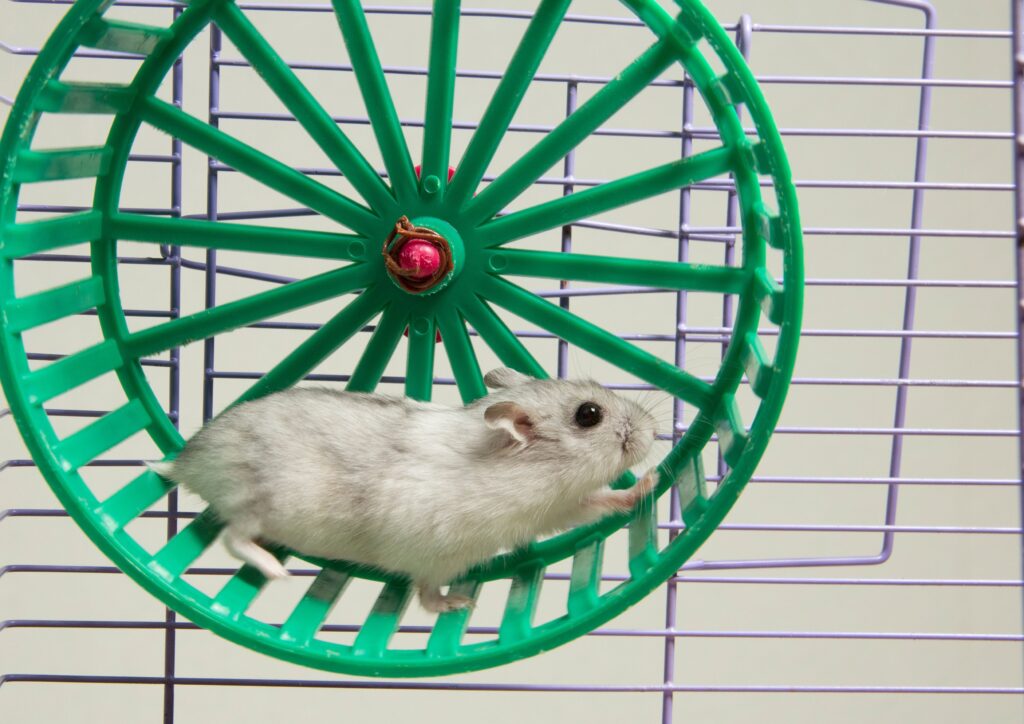
Are people happy? Or is this a modern form of slavery — where yes, we get money, but often not enough, and we trade our time for something we don’t enjoy?
We barely see our families. Schools run from 9am to 3pm, but work runs from 8:30am to 5pm. How is that supposed to work?
One parent handles mornings, the other handles afternoons? And what if you’re alone?
The system isn’t designed for balance. It’s designed for productivity. And we’re expected to fit into it, even when it doesn’t fit into our lives.
Closing Paragraph
Maybe the rat race isn’t something we escape all at once. Maybe it’s something we slowly loosen our grip on — by choosing differently, by protecting our time, by using the benefits offered to us, by refusing to let work define our identity. Maybe the real escape isn’t quitting your job, but reclaiming your life piece by piece, until you’re no longer running — you’re living.
I’d love to hear your experience. Do you feel stuck in the rat race, or have you found ways to step outside it? Share your thoughts in the comments — your story might help someone else feel less alone.
If this post resonated with you, you might also like Work Challenges Series: The Myth of Constant Productivity — a reflection on why we feel pressured to be “always on,” even when we’re already exhausted.