Landing in New Zealand — The Calm Before the Storm
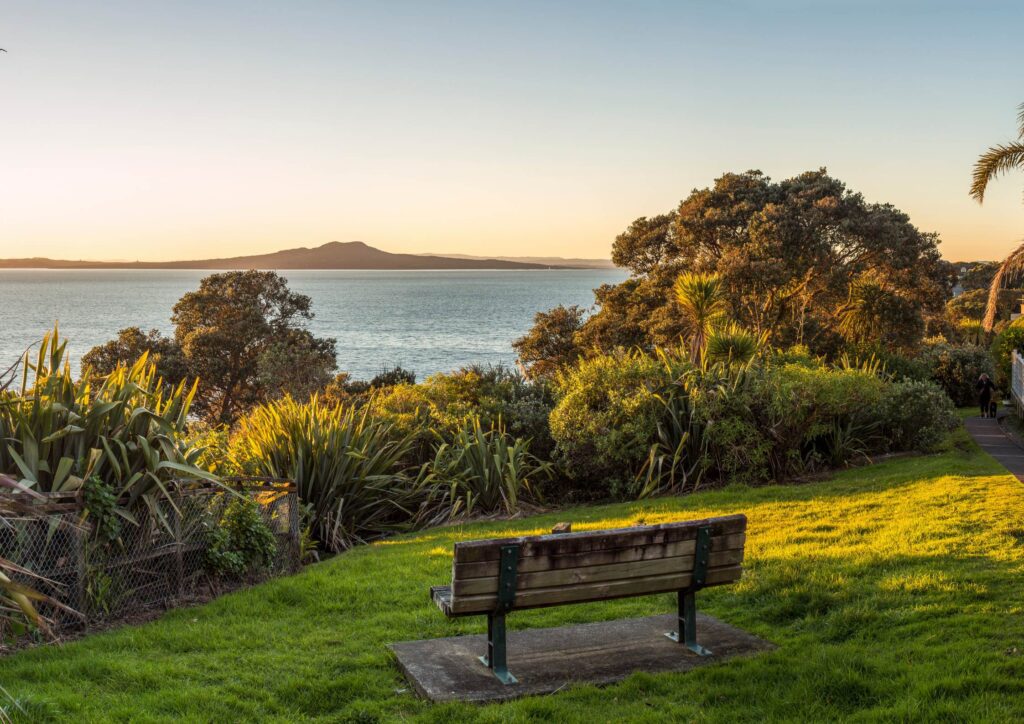
I landed in Auckland around 5am. The airport was quiet, the air felt soft, and for some reason I felt incredibly calm — almost weightless. I wasn’t worried about what would happen next. I just felt free.
When I saw the Māori carvings at the airport, something inside me clicked. I felt this strange happiness, like I had arrived somewhere I was meant to be.
Border security took ages, and even though I wasn’t smuggling anything, I was still nervous. New Zealand biosecurity is no joke — it’s stricter than anywhere I’d ever been.
Because it was so early, I had nowhere to go yet. I sat in the arrivals area, just observing. At one point, a woman asked me to watch her luggage while she went to take a shower. That tiny moment of trust surprised me. I don’t think anyone would ask that in most parts of Europe. It was my first taste of how safe New Zealand can feel.
First Impressions — The Surreal Green, the Tiny City, the Quiet
Auckland shocked me in the best way. Everything was so green. The trees looked unreal — like something from IKEA. I actually touched one because I was convinced it was fake.
The city centre felt tiny compared to Budapest. Just one main street and that’s it. But I loved the quiet moments I found in Albert Park and the Viaduct. People were polite, calm, and there were fewer homeless people than back home.
And the free public toilets? Life‑changing. I still think no one should make money off basic human needs.
The Accent Shock — Tuning My Ears to a New Language
I thought my English was decent when I arrived. Then I heard the New Zealand accent.
For the first few weeks, I couldn’t understand a single word. It felt like everyone was speaking English underwater. I had to tune my ears slowly, like adjusting a radio.
And because I’m introverted, I didn’t talk much. Extroverts learn languages faster — they don’t care if they make mistakes. They just talk. I cared. I was shy. I stayed quiet. And that made everything harder.
Volunteering — The Good, the Bad, and the Exploitative
Everyone told me volunteering was a good way to start:
- get references
- practice English
- have a roof over your head
So I tried it. And honestly? It was a mixed bag.
1. The Tiny House Project (Warkworth–Wellsford)
This was my favourite. We cooked together, had movie nights, and the group was fun. But the project moved painfully slowly — our host was inexperienced, supplies were always late, and we were in the middle of nowhere. I stayed for over a month.
2. Hawera — The Religious but Kind Hosts
They talked about the Bible a lot, which wasn’t really my thing, but they were genuinely kind. Amazing food. House tasks. They took me on hikes. They wanted me to have a good time. A rare gem.
3. Blueberry Picking Near Wellington
Fun work, but the accommodation… We lived in a barn. The toilet was outside. The host barely spoke to us. I was the only woman. The group was okay, but not close. I didn’t even read the rulebook she left — I was too annoyed by her absence.
4. Nelson — The Bed & Breakfast Nightmare
This was the worst. We were housekeepers. Breakfast was the only food provided — and only the cheap stuff. The owner told me I couldn’t use the kitchen during “family time.” We were basically free labour.
It felt like modern slavery. When you’re new, you don’t know your rights. People take advantage of that.
By the end of this last volunteering job, I knew: There has to be another way.
Travelling With Strangers — Feeling Out of Place
When you don’t have a car in New Zealand, you travel with strangers. It’s normal — you share fuel, you meet people, you hope for the best.
My first group wasn’t great. They were fluent in English, some native speakers, and they talked fast. They loved Australia and complained about New Zealand constantly. By the time I thought of something to say, the conversation had already moved on.
I realised something important: I didn’t magically become extroverted just because I moved abroad. If anything, I became more introverted. I felt like a sailor without tools — trying to navigate a world I didn’t understand.
That trip made one thing very clear: I needed my own independence.
Buying a Car After 10 Years of Not Driving — My First Big Risk
So I decided to buy a car. The funny part? I hadn’t driven in ten years.
But New Zealand made it easier — everyone drives automatics here. It felt like a toy car compared to the manual cars I learned on. No more stressing about first gear, second gear, stalling in the middle of the road, sweating through my clothes. Automatic was a dream.
Still, it was risky. Driving after such a long break. On the other side of the road. In a country full of winding mountain passes.
But sometimes you have to take risks. And if you feel terrible, you can always stop.
I bought the car from a German guy — a 7‑seater Mitsubishi with a bed in the back. A proper backpacker car. It looked cooler and younger than most of the other vans on the road. I loved it immediately.
That car became my home.
Working in Blenheim — Living in the Car, Meeting Backpackers, and My First Paid Job
I drove down to Blenheim and stayed in a hostel for a few days while looking for paid work. That’s actually how I got my first job — through the hostel noticeboard. We had to sign the contract online before showing up. Some people forgot this part, so they arrived at 6am at the train station ready to work, only to be turned away.
The supervisors asked everyone, “Did you fill out the forms?” If you didn’t, you were left behind. No exceptions. You had to wait another week — unless you found something else in the meantime.
Honestly, that should have been my first warning sign.
The Vineyard Job
My first paid job was in a vineyard, thinning grapes so they could grow properly. The work itself wasn’t terrible, but the environment was. Our supervisor screamed at us all day. If he thought we weren’t fast enough, he yelled. He talked about us behind our backs, calling us “it” instead of “she” or “he.”
I felt like an object.
I remember going back to my car — my home at the time — crying and thinking about my degree and my office job in Hungary. Before I left, I said I didn’t care what job I’d do — but it turns out I did care. Not about the job itself, but about how I was treated.
The Final Straw
At the end of the vineyard job, they told us to show up on Saturday. So I woke up early, drove there, and waited… only to find out there was no work that day. My boss had simply forgotten to tell us.
That was it for me. I’d had enough.
I quit on the spot. And the funny thing? I found a new job the very same day.
That moment taught me something important: If you’re in a bad situation, there is always a possibility to find a better one. Have self‑respect.
The Reality of Seasonal Work
During this period, I worked everywhere:
- winery
- factory
- housekeeping
- kitchen hand
I lived in a campervan or in my 7‑seater car with a bed in the back. My Hungarian savings were worth almost nothing here. I needed money to travel.
My mum cried on the phone when she heard I was living in a car and working in a factory at almost 30. She begged me to come home.
I laughed. To me, it meant freedom.
Backpacker Culture — The Nationalities and Their Different Life Stages
In Blenheim, I met lots of German and French backpackers. They were the biggest groups on the Working Holiday Visa back then.
The Germans Most of them were taking a gap year after high school. Honestly, I think it’s brilliant. You learn about yourself, you work physical jobs, you earn money, you see the world, and you have time to figure out what you want to study. You don’t miss anything by going to university later — you actually gain life experience.
If my kid doesn’t know what to study, I’d absolutely encourage something like this. Nothing is worse than studying something you hate, regretting it, and taking on student loans for it.
The French They usually came after university — a last adventure before starting a “real job.” Different timing, different energy.
Eastern Europeans, Latin Americans, Chinese We usually came after working for a few years. I was 28. The age limit was around 30 or 35. The spread was big, and while I made friends with younger people, it was harder to mingle. Different life stages, different priorities.
But that’s the beauty of the Working Holiday Visa — it brings together people who would never meet otherwise.
Travelling Solo — Heading Toward Auckland
After saving enough money, I started travelling solo around the South Island. For Western Europeans, solo travel is normal. For Eastern Europeans? It still feels like a big deal.
But I loved it.
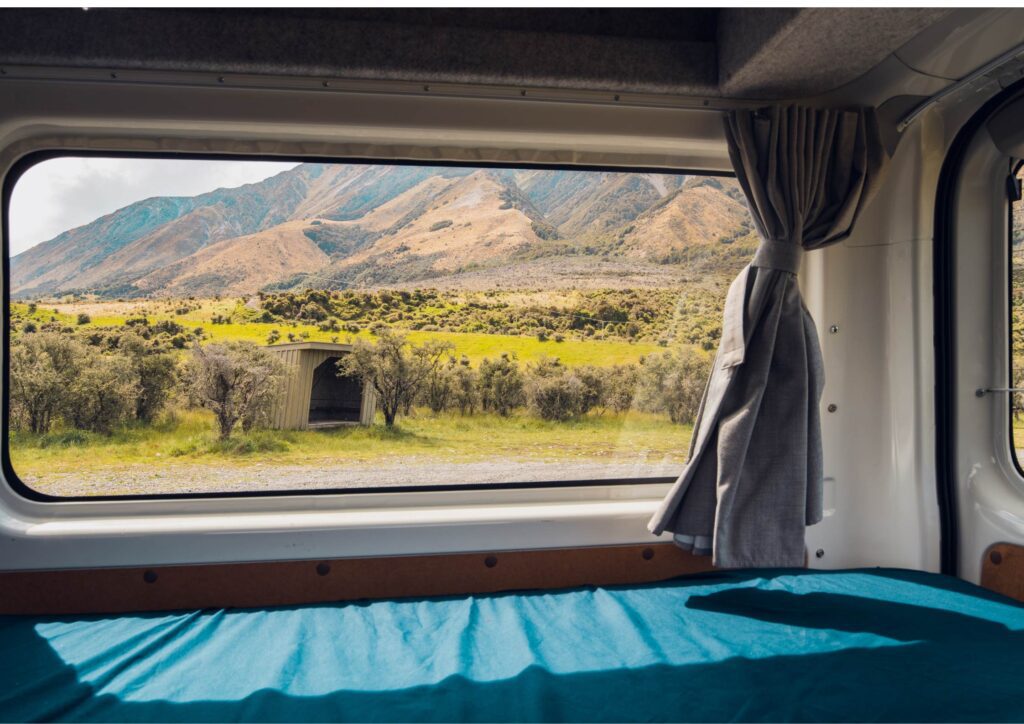
There was something incredibly peaceful about waking up in my car, sliding open the door, and seeing mountains or lakes right in front of me. I could stop wherever I wanted, stay as long as I liked, and leave whenever I felt like moving on. No schedules, no compromises, no strangers to keep up with.
Just me, the road, and New Zealand.
I tried to see everything — or at least as much as I could — because I didn’t expect to ever come back. I thought this was a once‑in‑a‑lifetime adventure, something I would remember fondly before returning to my “real life” in Europe.
Eventually, I started heading back toward Auckland. I didn’t know it then, but that drive north was the beginning of something much bigger. I thought I was just passing through — one last stop before figuring out my next move.
I had no idea that Auckland would become the place where I’d stay for years. Where I’d rebuild my life. Where everything would slowly start to make sense.
But that part of the story comes next.
If you haven’t read Part 1 yet, you can find it here: Moving to New Zealand: My Real Immigrant Story (The Leaving Phase).