

Photo by SUMALI IBNU CHAMID via Canva
For years, I chased the idea of the perfect workplace. Then I realized it might not exist.
The Dream vs. Reality
Have you ever worked somewhere that felt like the stars had aligned? Where the work was meaningful, the pace was just right, your manager saw your potential, and your colleagues felt more like friends than just coworkers? Maybe the commute was short—or better yet, nonexistent—and the office was nestled in a beautiful spot. Sounds dreamy, right?
But here’s the thing: most of us never get the full package. We get pieces. A great team but a toxic manager. A supportive boss but soul-crushing tasks. A beautiful office but a two-hour commute. And so we move—hoping the next role will fix what was missing. Sometimes it does. But often, a new problem takes its place.
The Cycle of Hope and Nostalgia
I’ve felt that cycle too. The hope, the disappointment, the quiet resignation. And then, after leaving, the unexpected nostalgia. Suddenly, I remember the good things—the laughter with teammates, the growth I didn’t notice while it was happening. Why do we only appreciate things in hindsight? Why does gratitude arrive late?
Personal Anecdote: Rituals That Made Work Feel Perfect
Before Covid times, we cherished small team rituals: coffee breaks at 9 and 3 where we’d chat and laugh, Friday lunches that became a tradition, and even group hikes or vacations. Those moments made our team more cohesive and turned colleagues into friends. Looking back, those rituals were part of what made the workplace feel “perfect,” even if the job itself wasn’t flawless.
Why We Scan for What’s Missing
Maybe it’s because we’re always scanning for what’s wrong, what’s missing. We want to feel fulfilled, respected, challenged—but not overwhelmed. We want balance, but also excitement. And when we don’t get it all, we wonder: Am I expecting too much?
Our Expectations Beyond Work
Maybe part of the struggle is that we expect too much. We want it all, and we want it now. That mindset doesn’t stop at the office—it shows up in other parts of life too. We dream of the perfect partner, the perfect child, the perfect body, the perfect home. But reality is rarely flawless or spotless.
The challenge, then, is learning to live with imperfection. To recognize that “enough” can be more sustainable than “perfect.” And that sometimes, the beauty of life—and work—lies in the messy, imperfect moments that still bring joy.
Redefining Perfection as Practicality
Now, as a parent, my perspective has shifted. I care less about chasing perfection and more about practicality. A workplace that respects my time, lets me be present for my child, and doesn’t drain me—that’s enough. Maybe that’s what the perfect workplace really is: not flawless, but fitting.
What Really Matters at Work
Here’s what I’ve come to believe:
- Growth matters: Being challenged and supported makes work feel purposeful.
- People matter: Good colleagues can make even tough days bearable.
- Balance matters: Flexibility, manageable workload, and respect for personal time are non-negotiable.
- Location matters: A short commute or remote option can transform your quality of life.
- Appreciation matters: Feeling seen, valued, and trusted is more powerful than perks.
But rarely do all these things show up at once. So maybe the perfect workplace isn’t a place—it’s a moment. A season. A feeling. And maybe that’s enough.
How to Spot a Workplace That Fits You
If perfection is rare, fit is everything. Here are a few ways to spot it:
- Listen to your gut during interviews — Do the people feel genuine, or rehearsed? Do you feel a connection, and can you imagine thriving in that environment?
- Check how they value time — Ask about flexibility, workload, and boundaries.
- Look for growth signals — Training, mentorship, or clear paths forward show they invest in people.
Looking Ahead: The Future of Work
I wonder how workplaces will look in 20–30 years. Four-day workweeks (or even less), fully remote setups, maybe even AI-driven teams. Would you even see your workmates face-to-face? Or will collaboration happen entirely in digital spaces? Whatever the future holds, one thing seems certain: the definition of “perfect” will keep evolving.
Closing Reflection
Maybe the perfect workplace isn’t about having it all, but about having enough — enough respect, enough balance, enough joy to make the hours worthwhile.
If you’re exploring how work shapes our lives, you might also enjoy my post: Working From Home: My Olympic Sport.
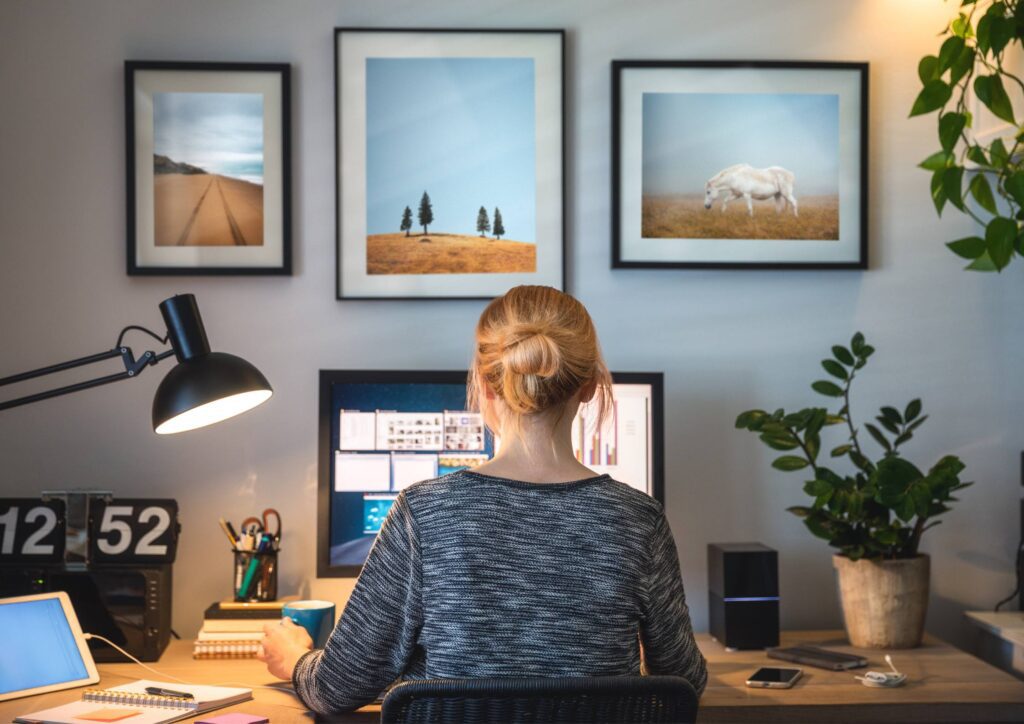
Photo by borchee via Canva